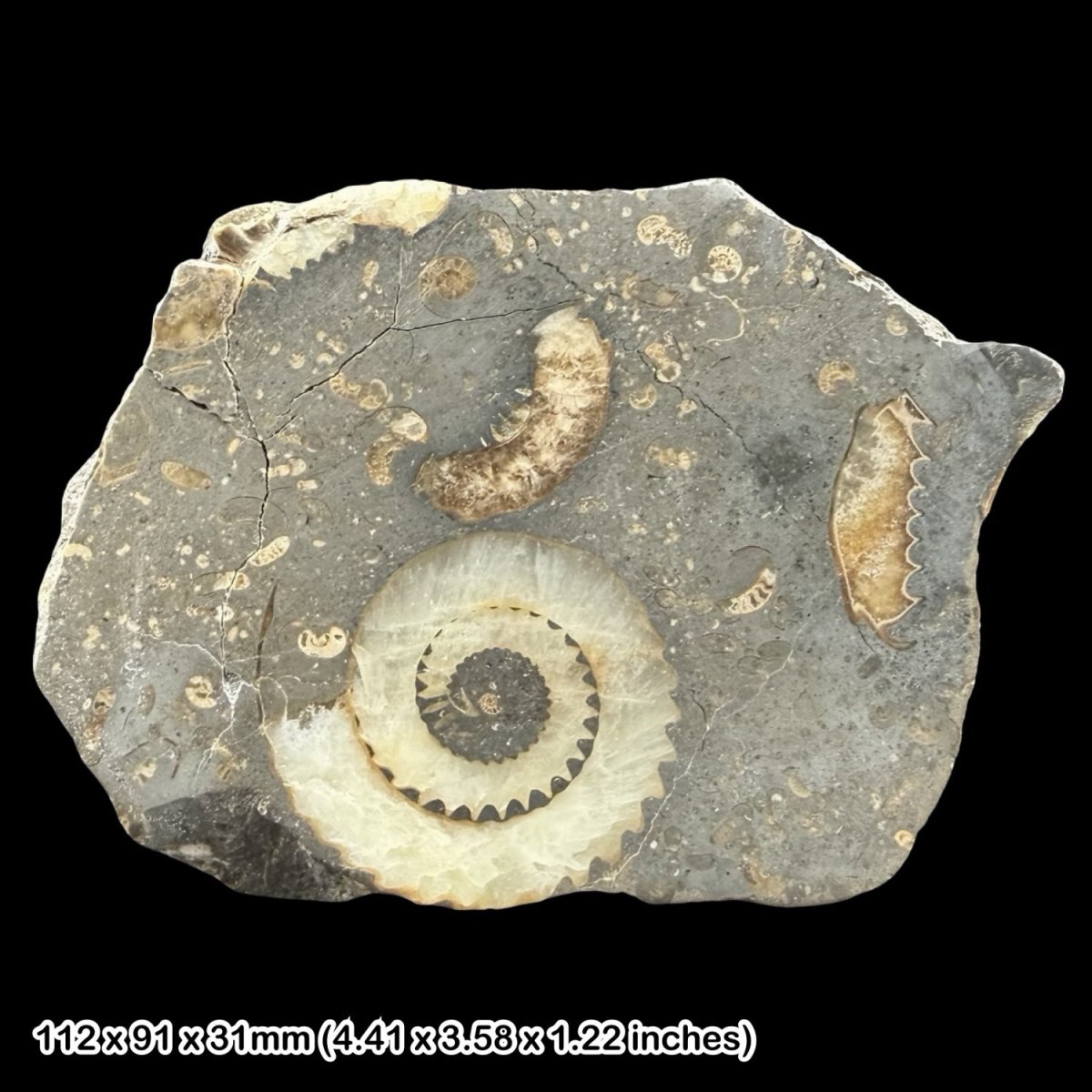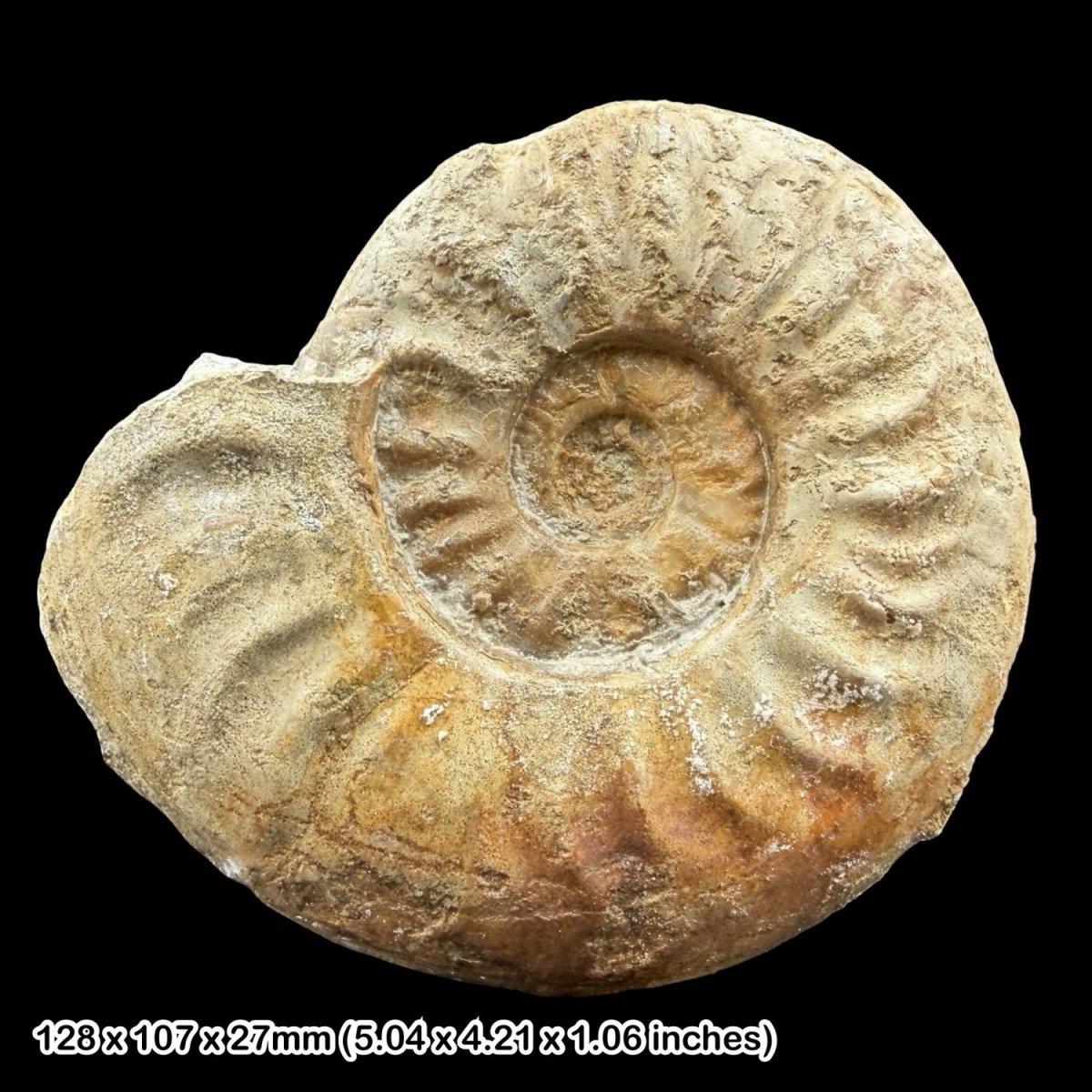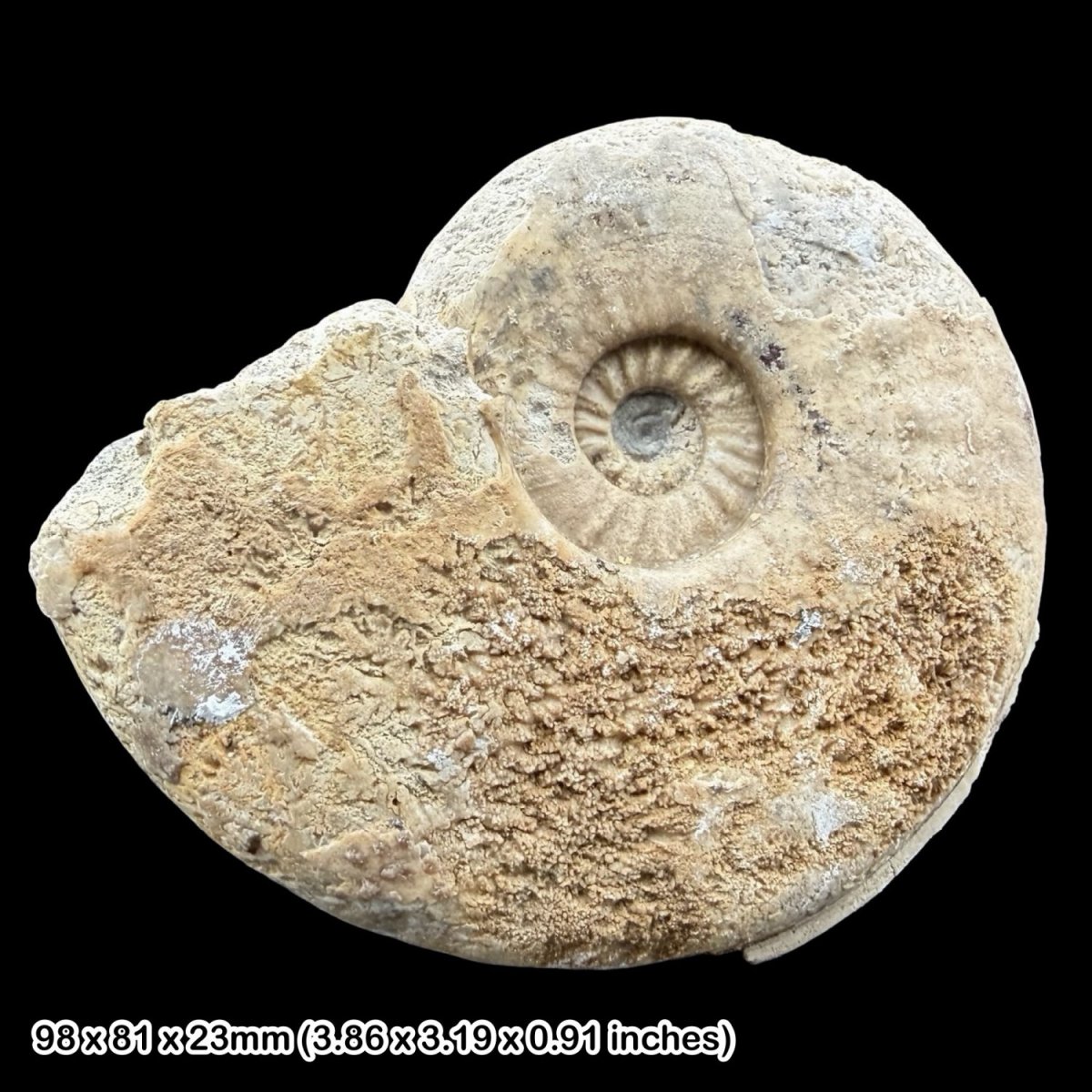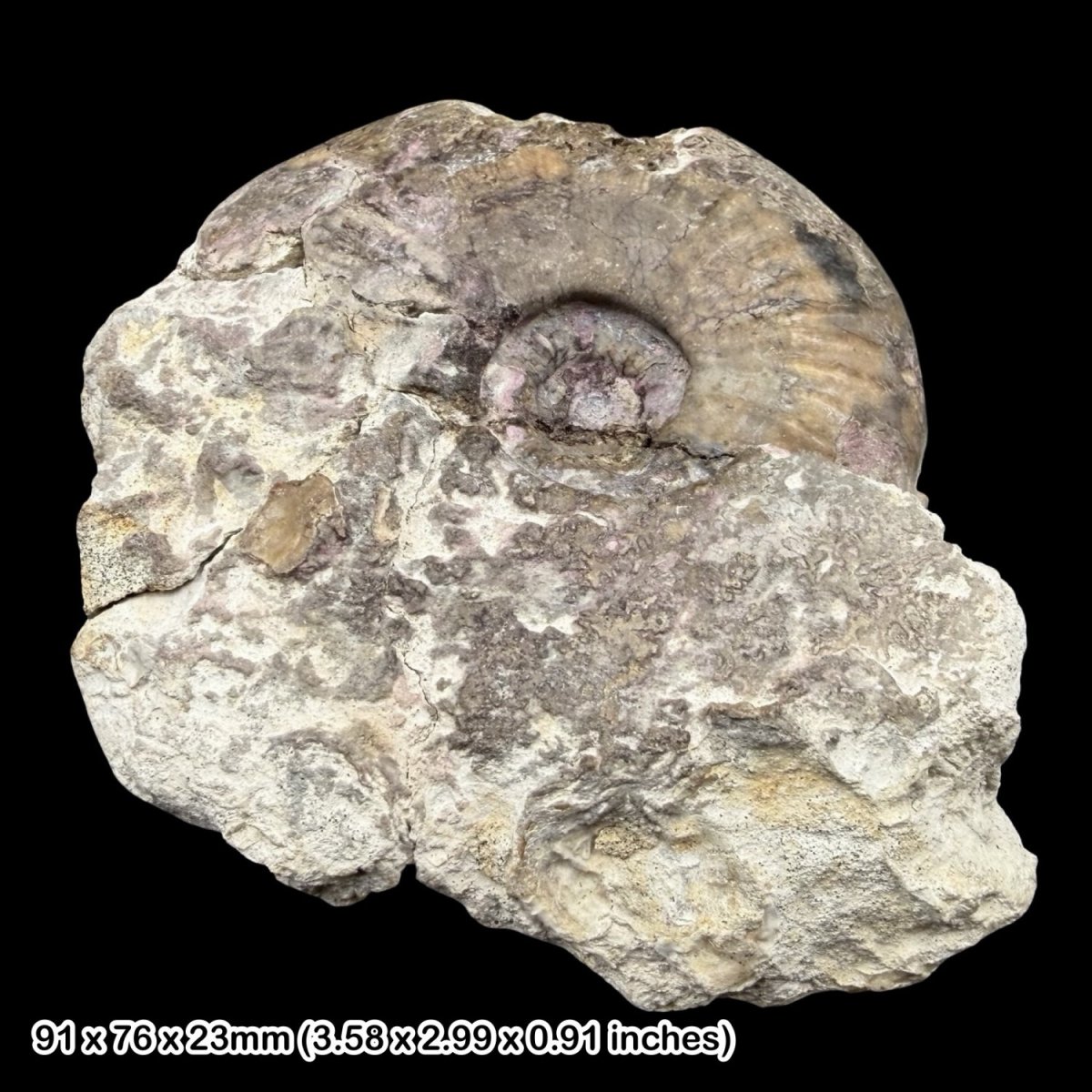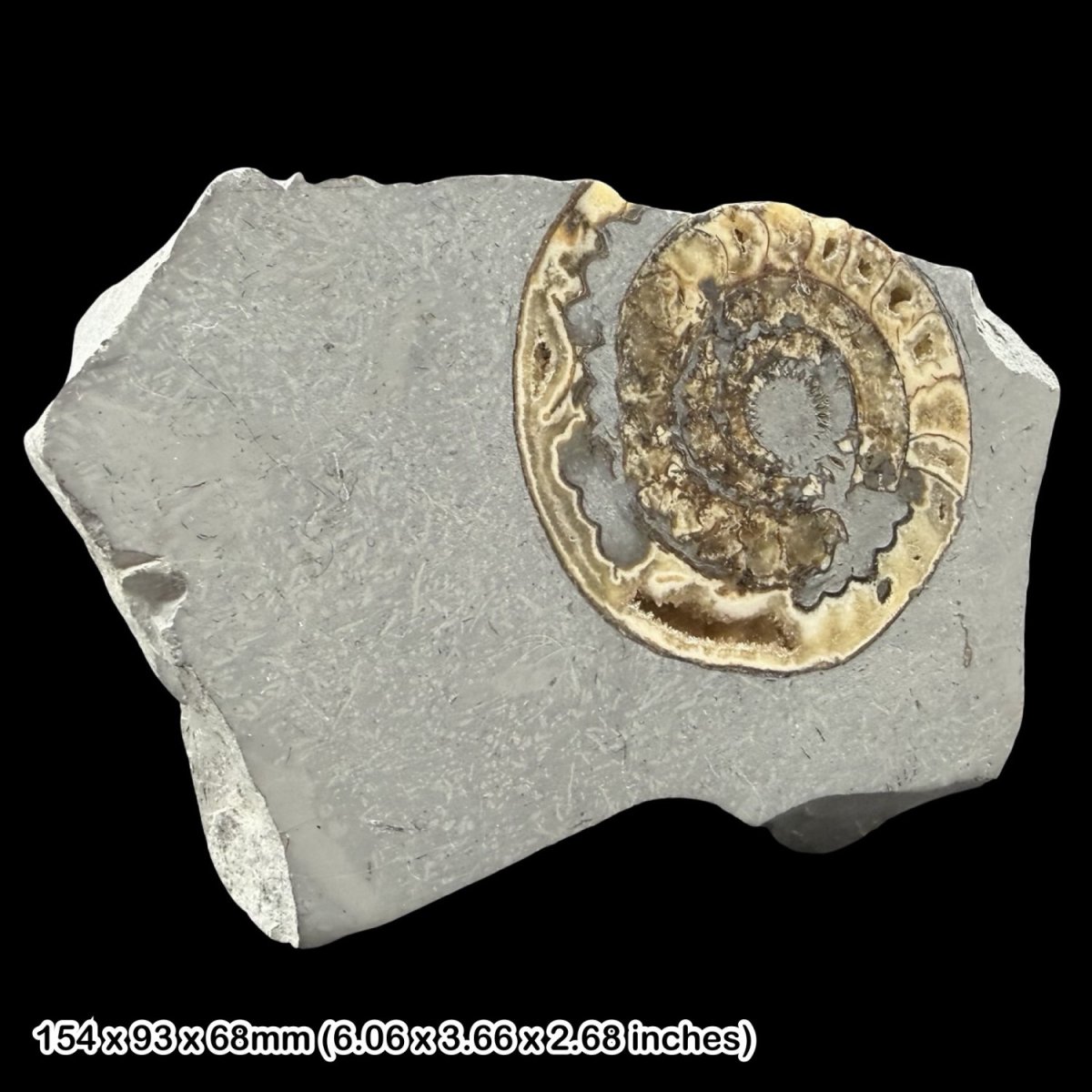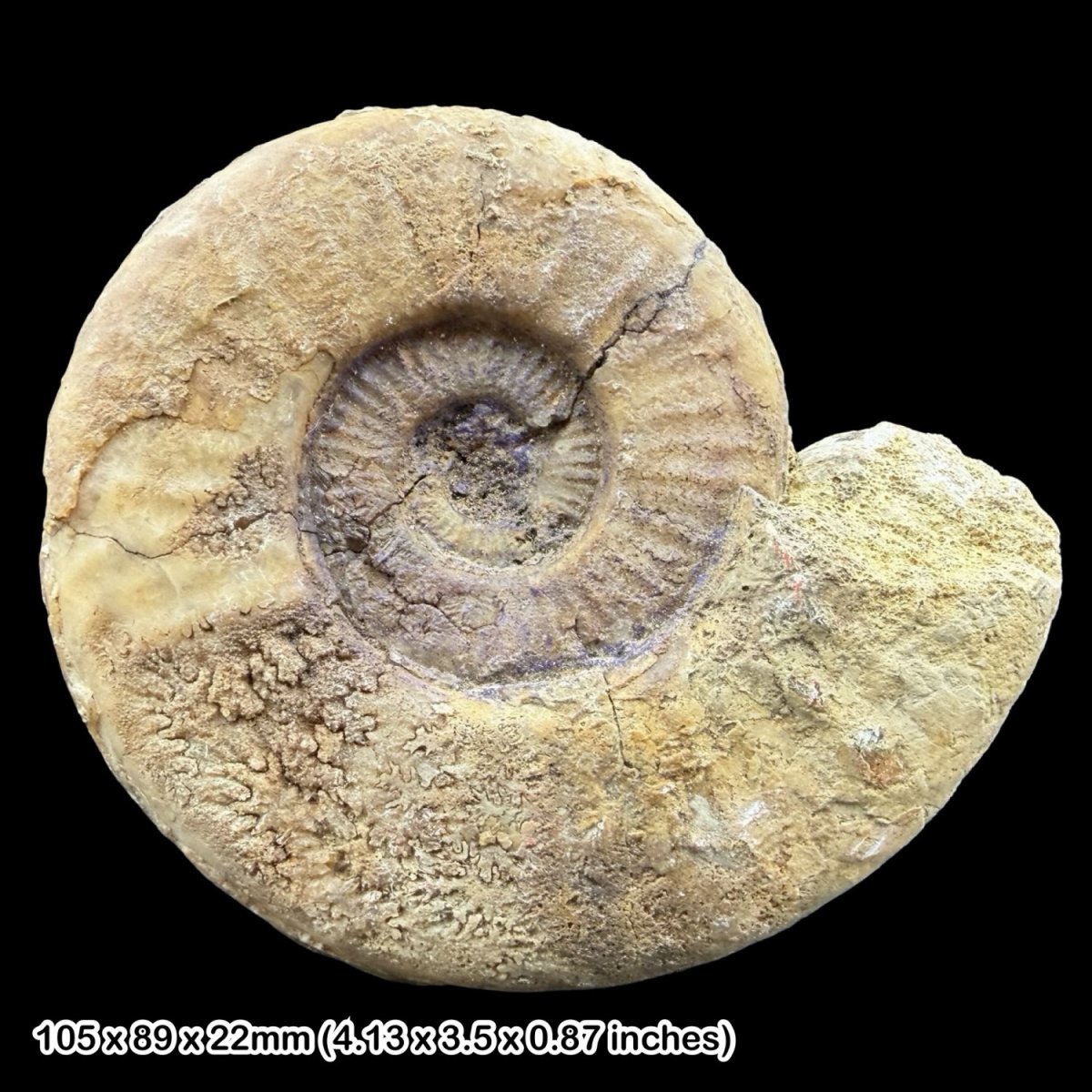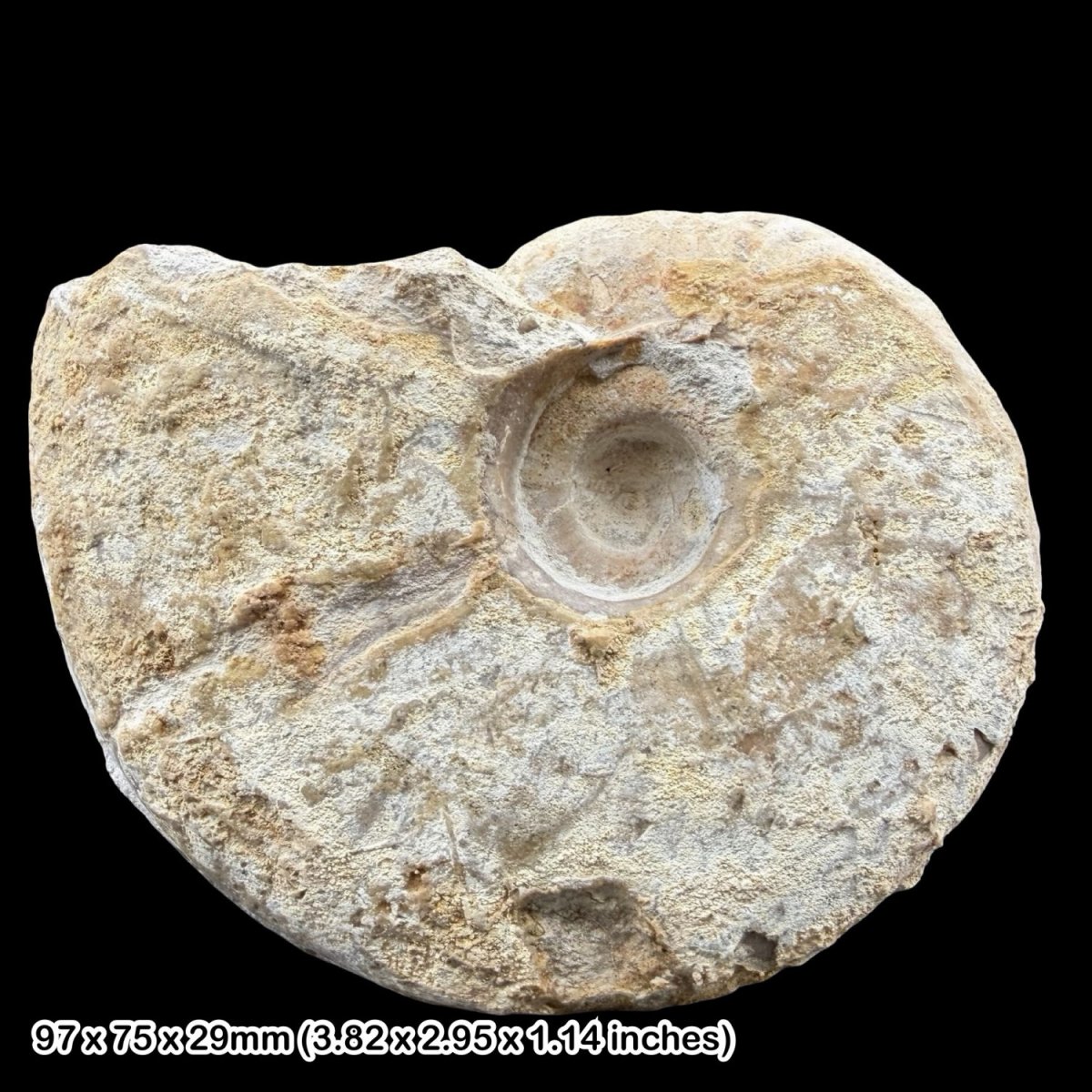
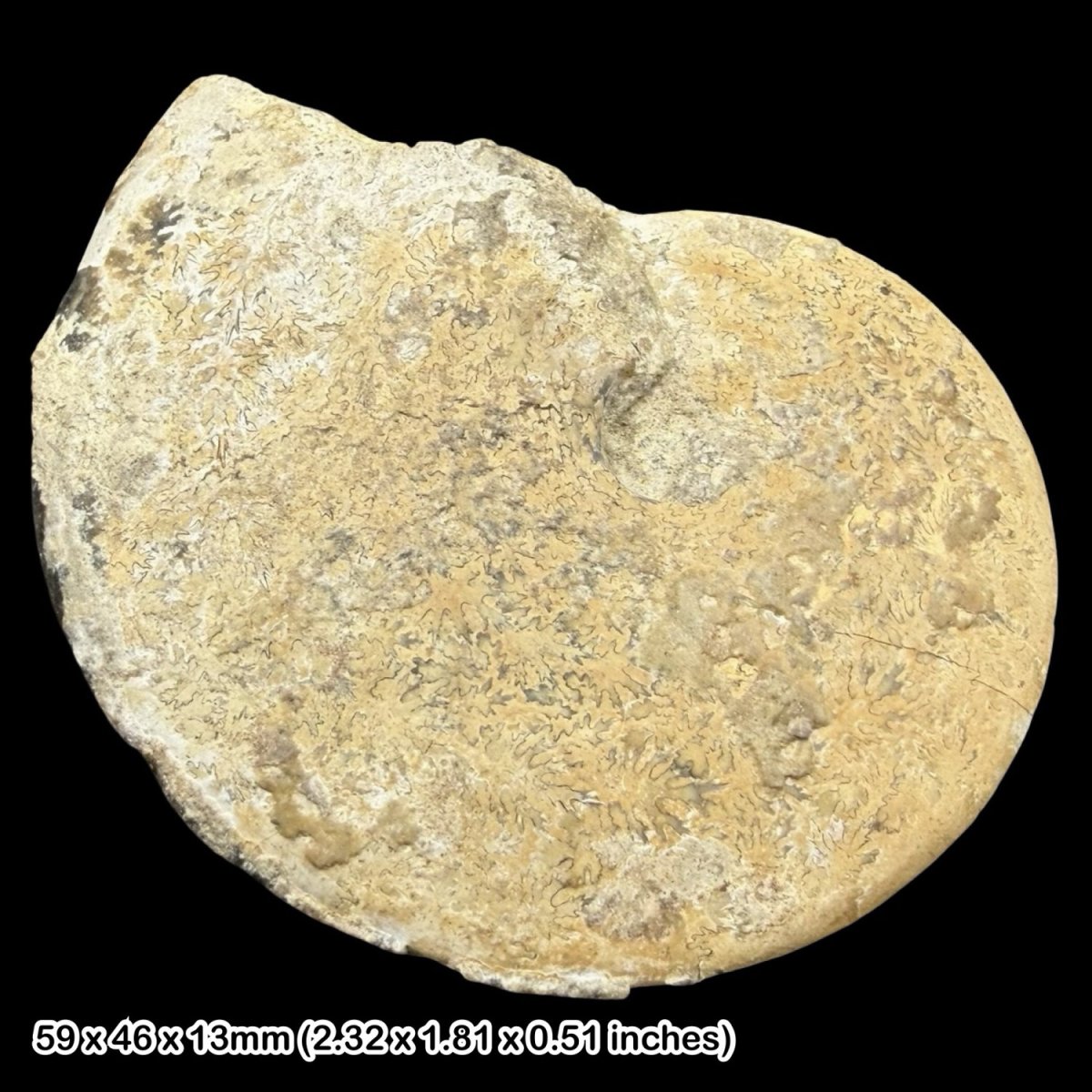
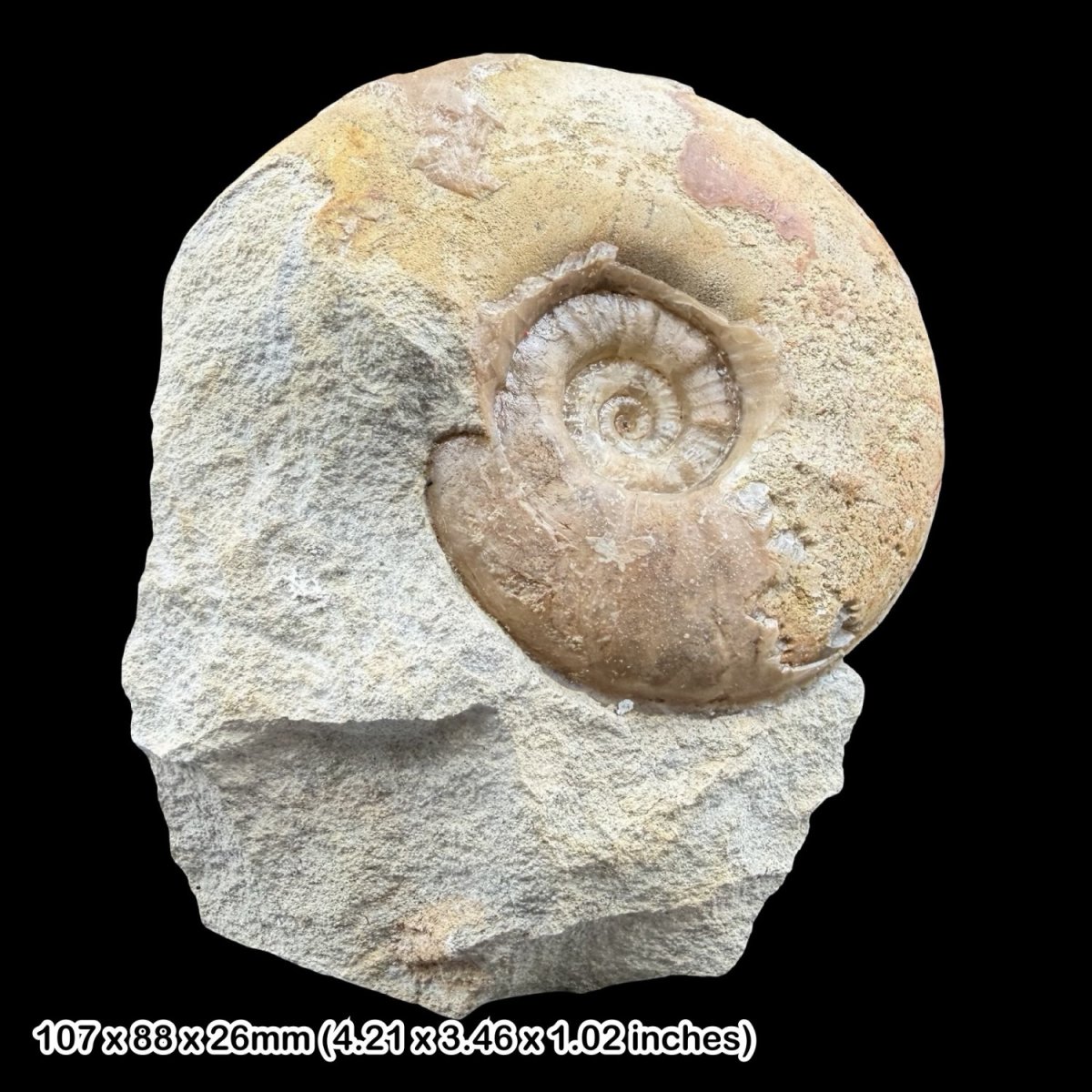
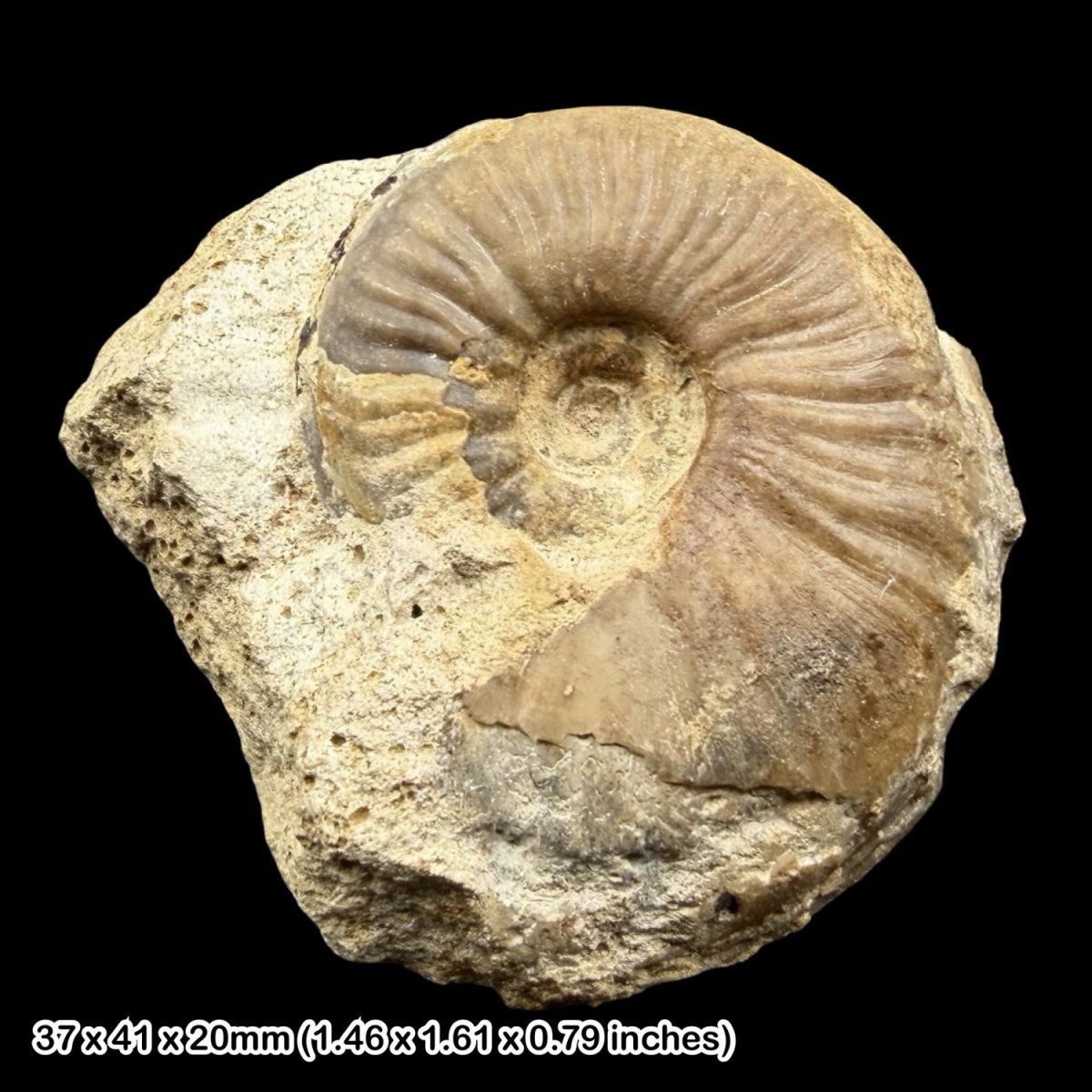
Oxycerites aspidoides Ammonite Fossil Dorset Jurassic West Bay UK COA Inferior Oolite Upper Bajocian Marine Specimen
$ 23.79
WhatsApp
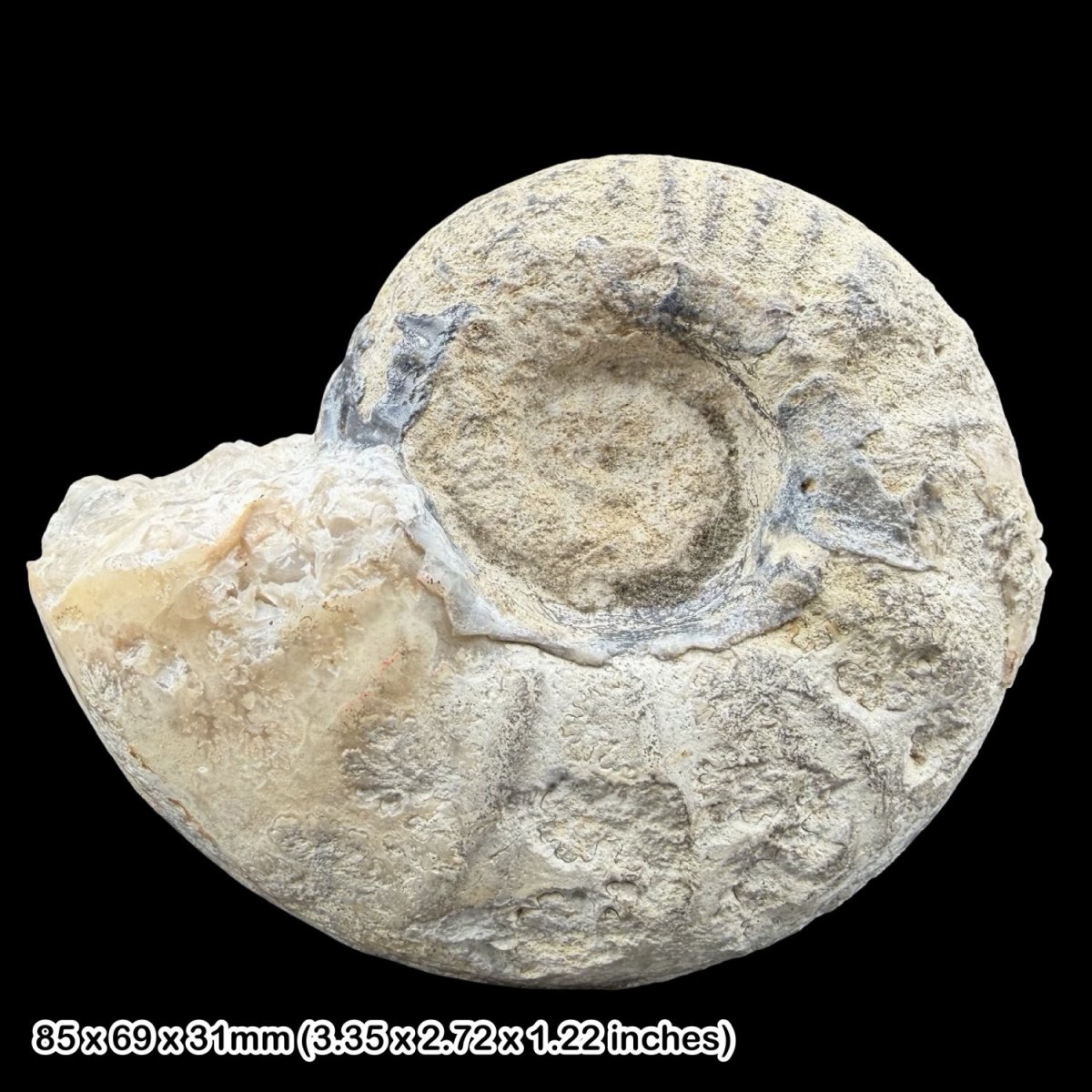
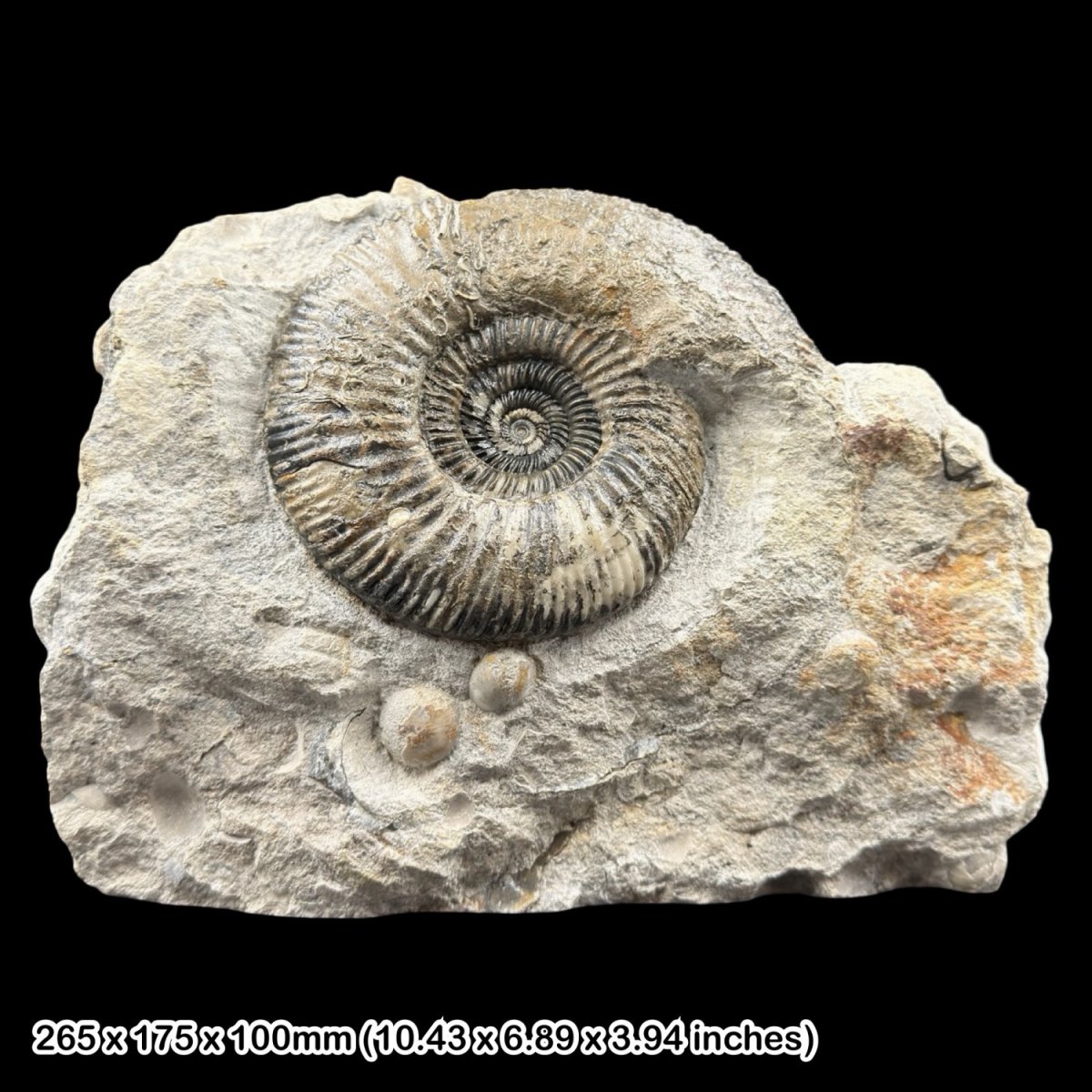
Description Genuine Oxycerites aspidoides Ammonite Fossil This listing is for a genuine Oxycerites aspidoides ammonite fossil from the Inferior Oolite Group at West Bay, Dorset, UK. Dating from the Upper Bajocian Stage of the Middle Jurassic, this specimen represents a classic British Jurassic ammonite from one of the most famous fossil-bearing coastal regions in the world. Oxycerites aspidoides is a collectible Middle Jurassic ammonite, valued for its elegant shell form, geological significance, and association with the shallow marine environments of southern England. This fossil is a carefully chosen piece, and the photograph shows the actual specimen you will receive. Full sizing can be seen in the photo. Geology, Age and Location This ammonite comes from the Inferior Oolite Group, a major Middle Jurassic geological unit exposed in parts of Dorset, Somerset, Gloucestershire, Oxfordshire, and other areas of southern England. The Inferior Oolite is composed of limestones, sandy limestones, marls, iron-rich beds, shell beds, and oolitic sediments that formed in warm, shallow marine conditions. The fossil is Upper Bajocian in age, approximately 169 to 168 million years old. The Bajocian was an important stage in ammonite evolution, with many distinctive ammonite groups flourishing in the seas that covered much of Europe. Ammonites from this interval are especially useful in biostratigraphy because their rapid evolution allows geologists to divide Jurassic rocks into precise time zones. West Bay, near Bridport in Dorset, lies on the world-famous Jurassic Coast, a coastline celebrated for its exceptional geological record and fossil-bearing cliffs. The rocks around West Bay preserve evidence of ancient marine environments, shifting sea levels, and richly populated Jurassic ecosystems. Fossil Type and Species Details Oxycerites aspidoides was an ammonite, an extinct marine cephalopod related to modern squid, cuttlefish, octopus, and nautilus. Like other ammonites, it possessed a coiled external shell divided internally into chambers. The living animal occupied the final body chamber, while the earlier chambers helped regulate buoyancy as it moved through the water. The genus Oxycerites is known for its smooth to finely ornamented, compressed shell form, with a neat planispiral coil and a streamlined appearance. Oxycerites ammonites typically have a relatively narrow whorl profile, an involute shell where later whorls overlap earlier ones, and a refined outer margin. This gives many specimens a clean, elegant appearance compared with more heavily ribbed Jurassic ammonites. Scientific classification places Oxycerites within Phylum Mollusca, Class Cephalopoda, Subclass Ammonoidea, Order Ammonitida, Superfamily Haploceratoidea, and Family Oppeliidae. The species Oxycerites aspidoides is associated with Middle Jurassic marine deposits and belongs to a group of ammonites that are important for understanding Jurassic cephalopod diversity and evolution. Inferior Oolite Marine Environment During the Middle Jurassic, the area now known as Dorset was covered by warm, shallow seas along the margins of an ancient European marine shelf. The sediments of the Inferior Oolite Group were laid down in these marine settings, where carbonate grains, shell fragments, oolitic sands, and fine muds accumulated on the seabed. Oxycerites aspidoides would have lived in this ancient sea as part of a varied marine community. The same waters supported belemnites, bivalves, brachiopods, gastropods, echinoids, corals, fish, crustaceans, and marine reptiles. Ammonites played an important role in the Jurassic marine food web, moving through the water column as active predators, scavengers, or opportunistic feeders. The preservation of ammonites within the Inferior Oolite Group makes these fossils especially desirable for collectors, as they represent a direct link to the warm Jurassic seas that once covered southern Britain. Collectible British Jurassic Ammonite This Oxycerites aspidoides ammonite fossil is an excellent specimen for collectors interested in British fossils, Dorset geology, Jurassic Coast material, Middle Jurassic ammonites, or scientifically labelled fossil specimens. Its named species, Upper Bajocian age, West Bay locality, and Inferior Oolite Group origin give it strong collector and educational appeal. The fossil is a genuine specimen and includes a Certificate of Authenticity lifetime guarantee generic card. The photo shows the actual fossil you will receive, making this a carefully selected and accurately represented collector’s piece from the Middle Jurassic marine deposits of West Bay, Dorset, UK.