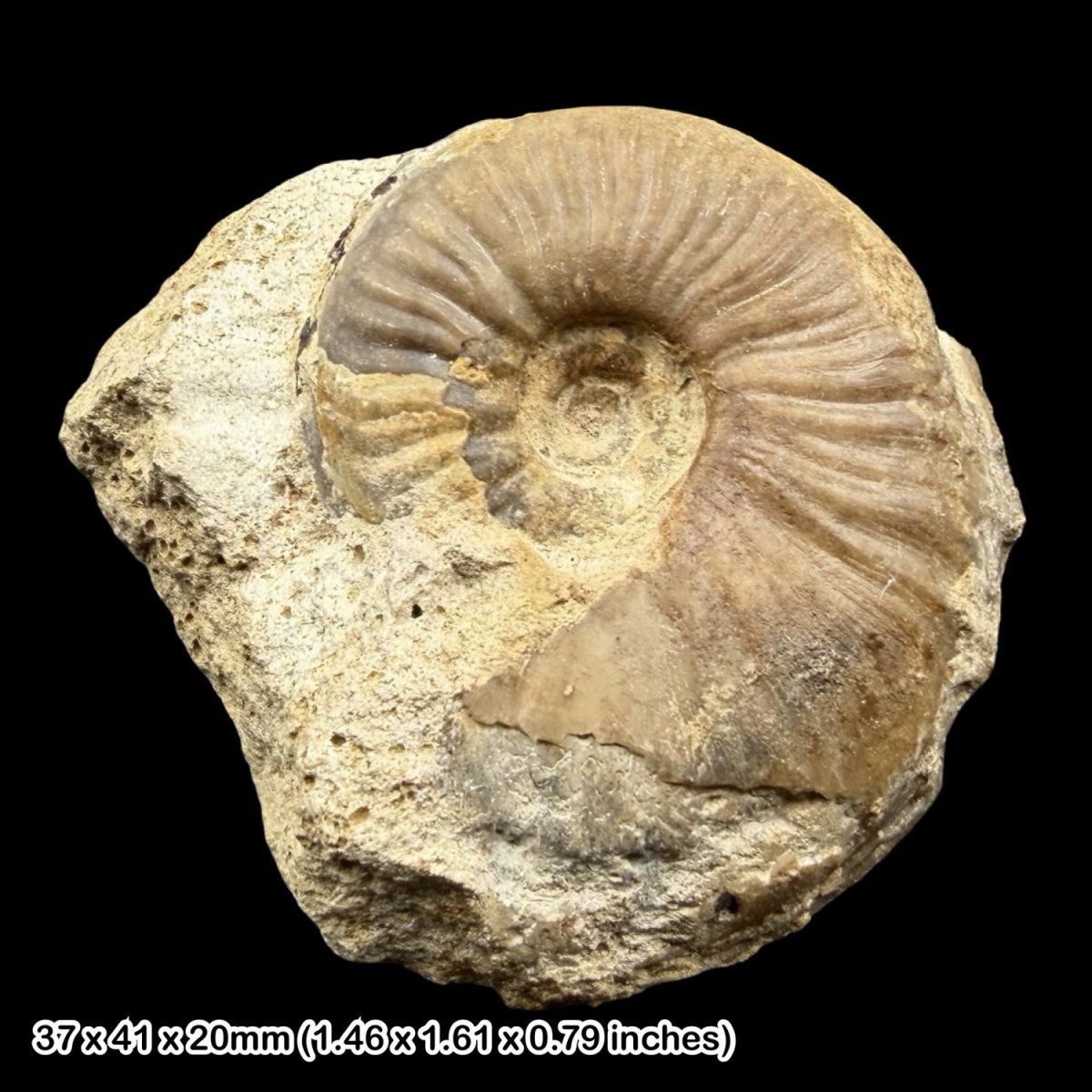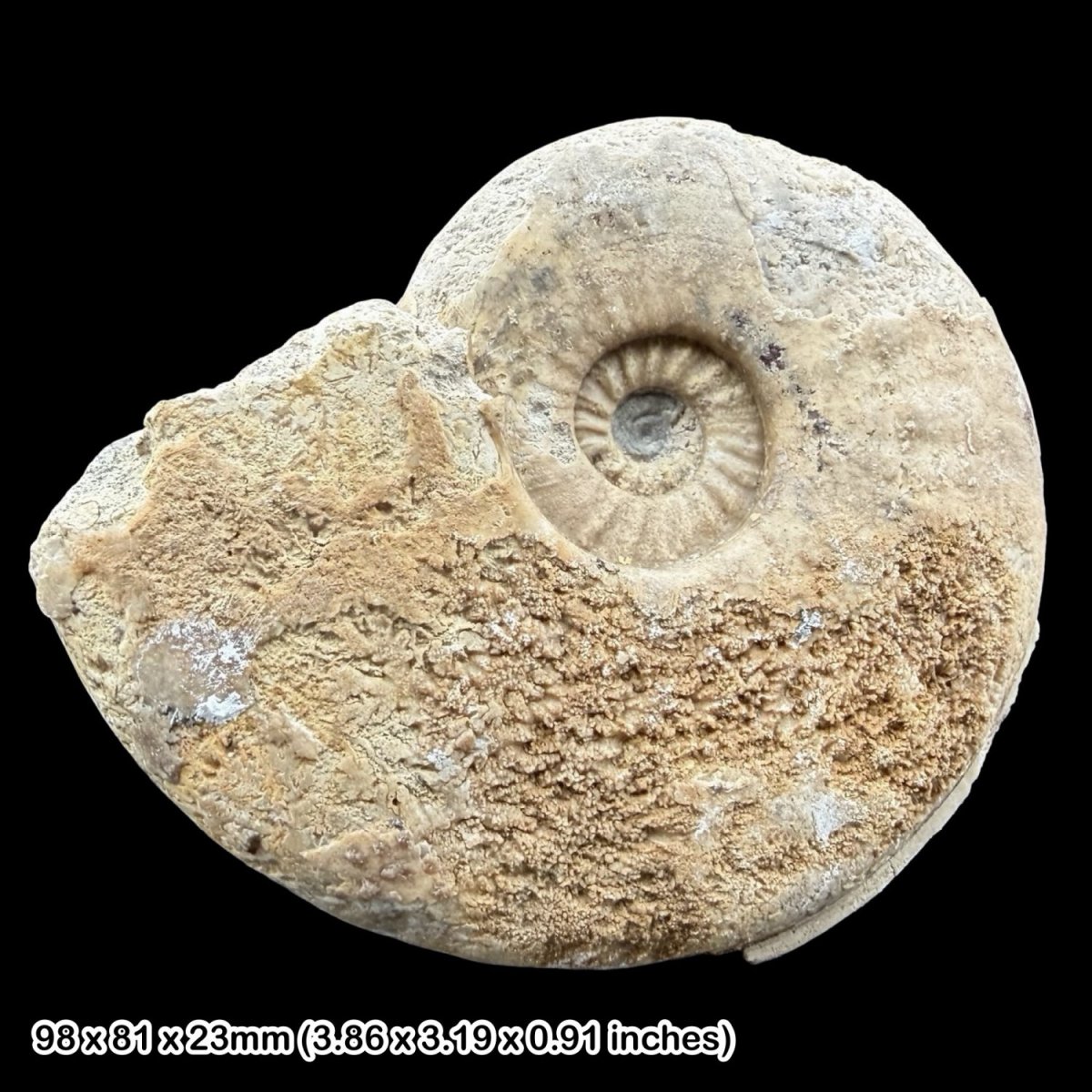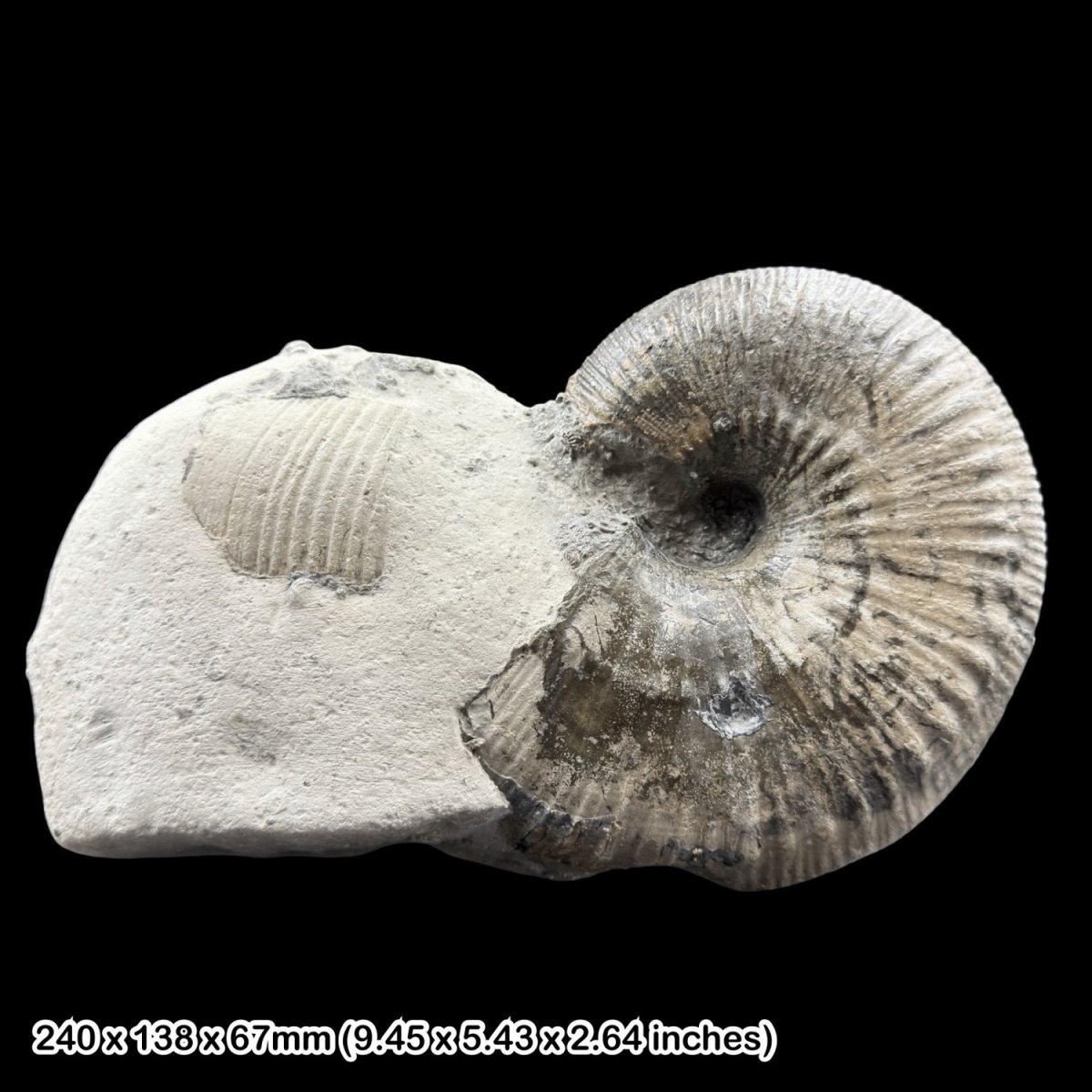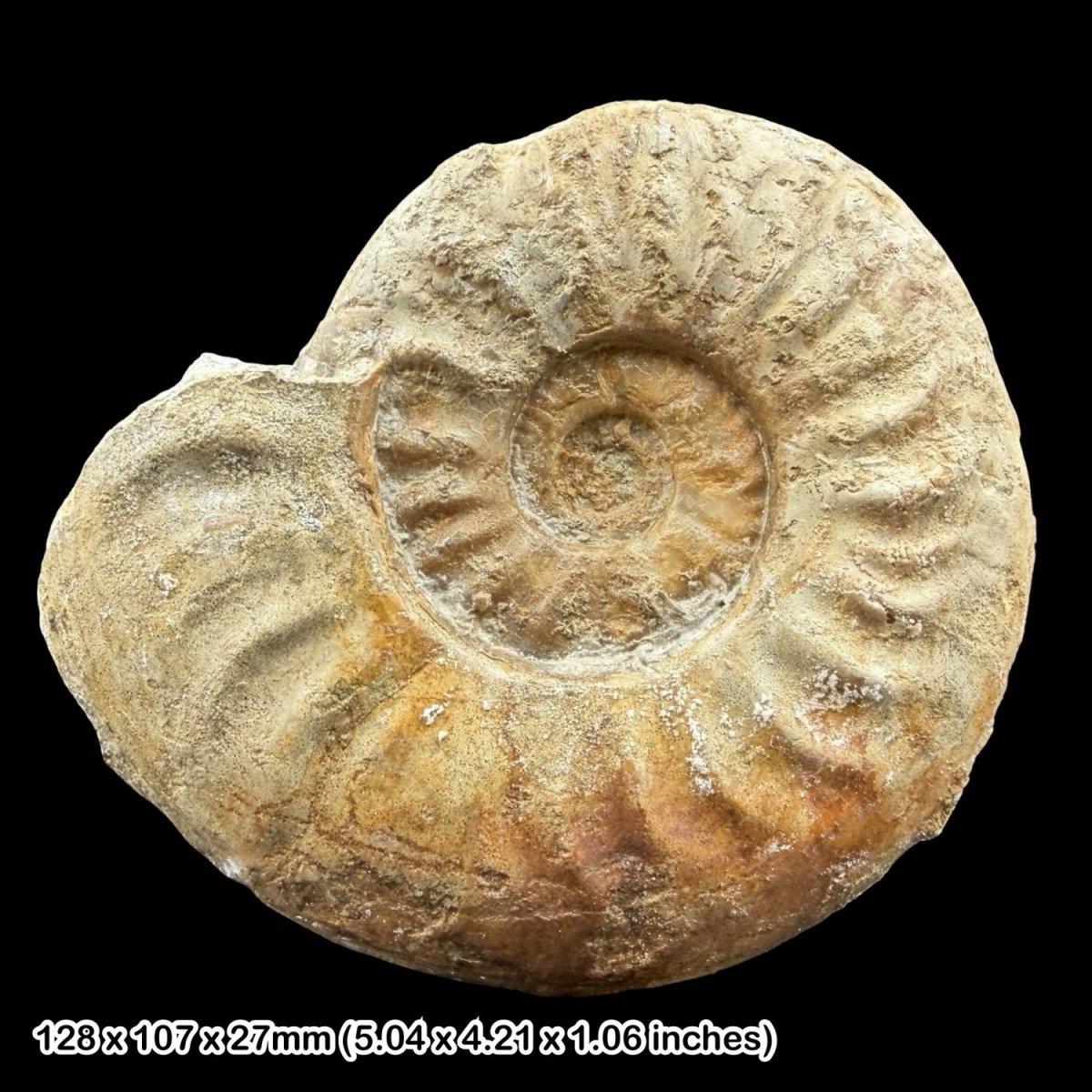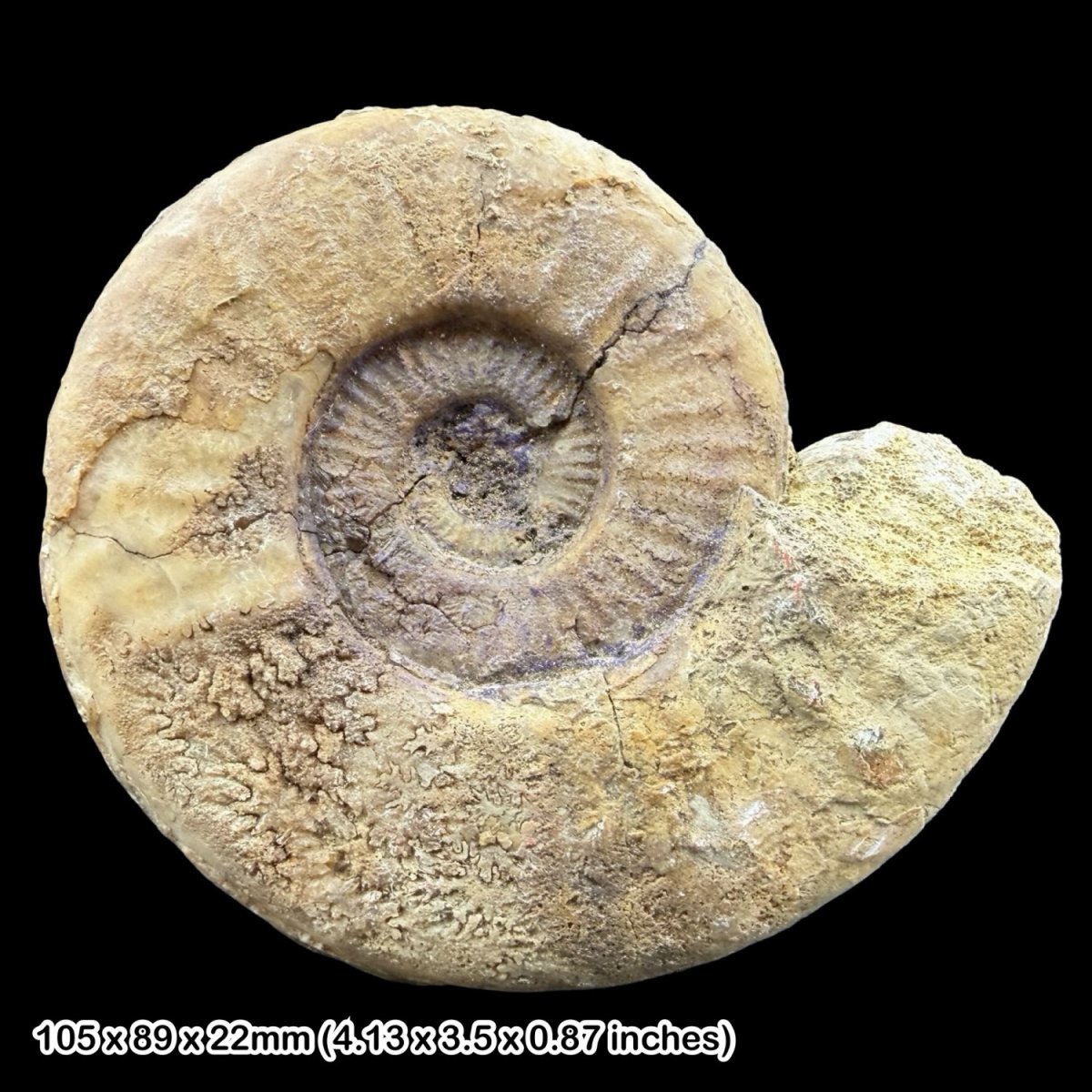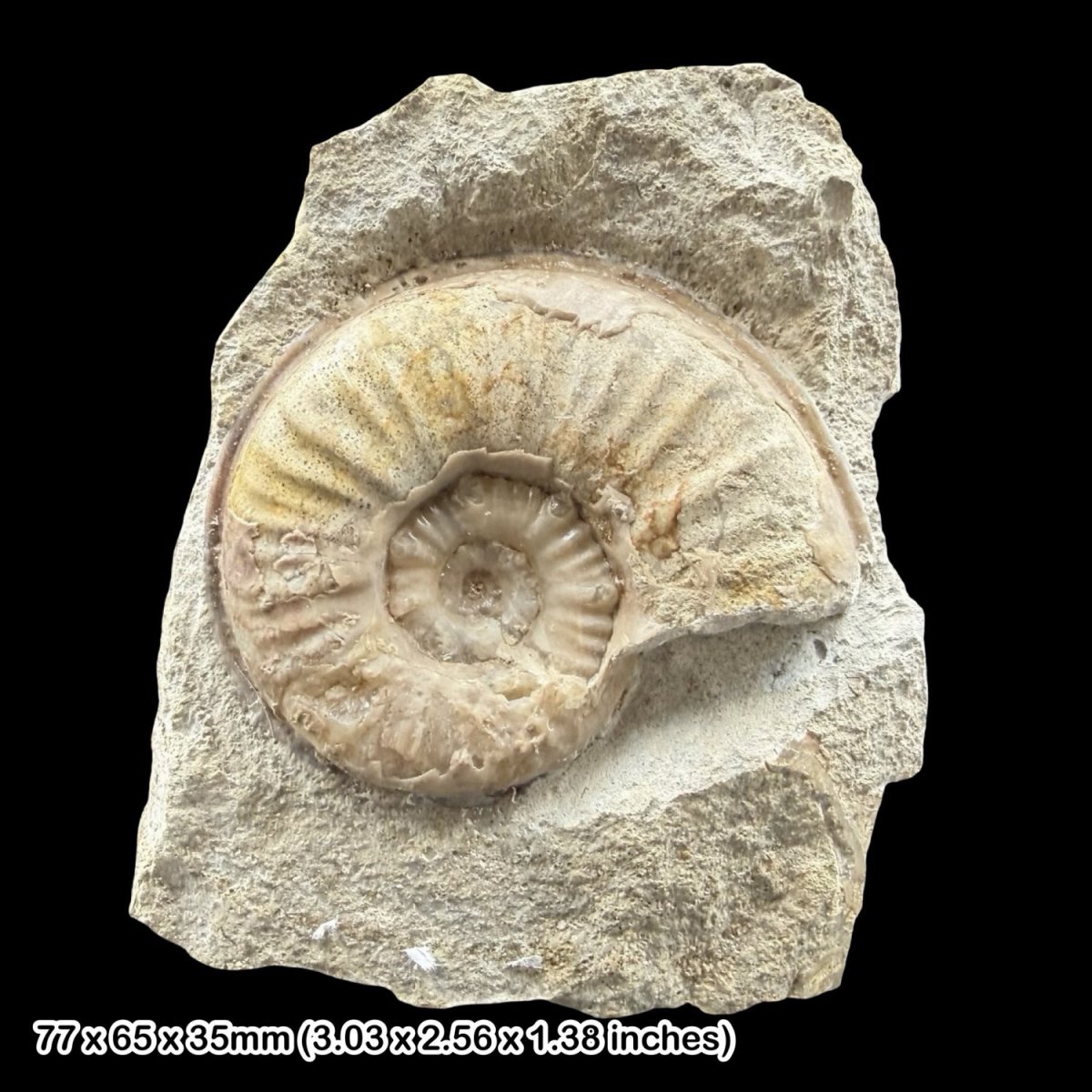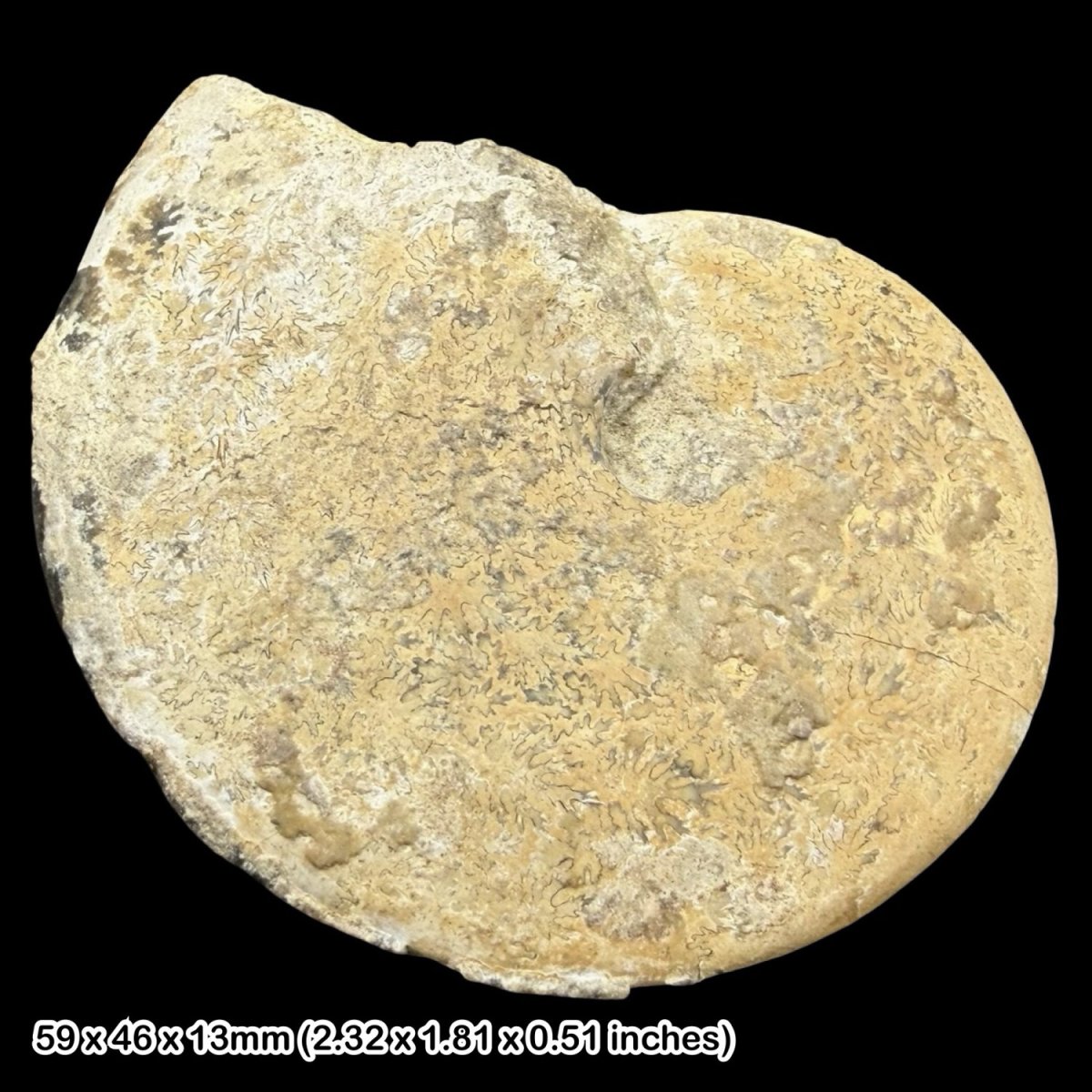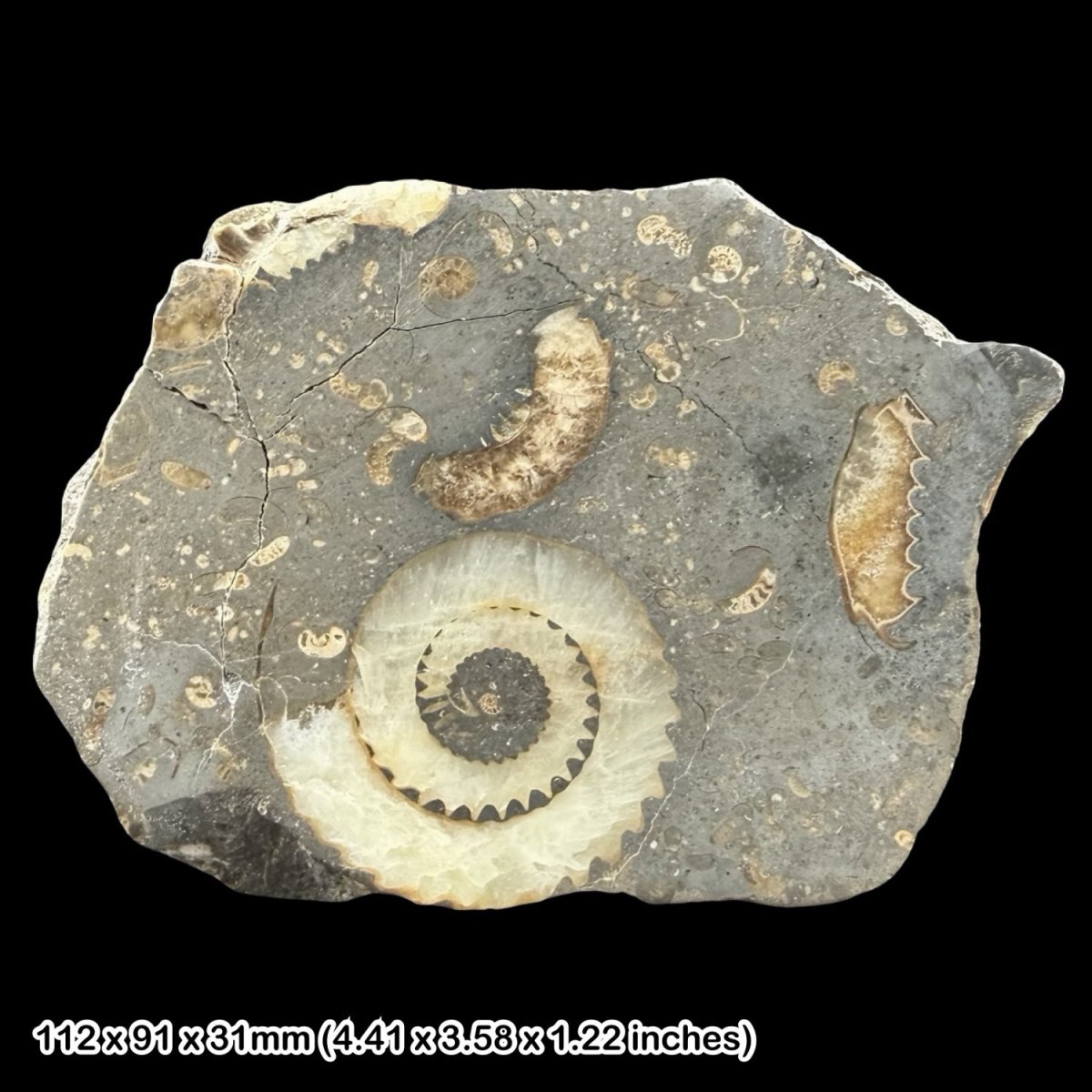
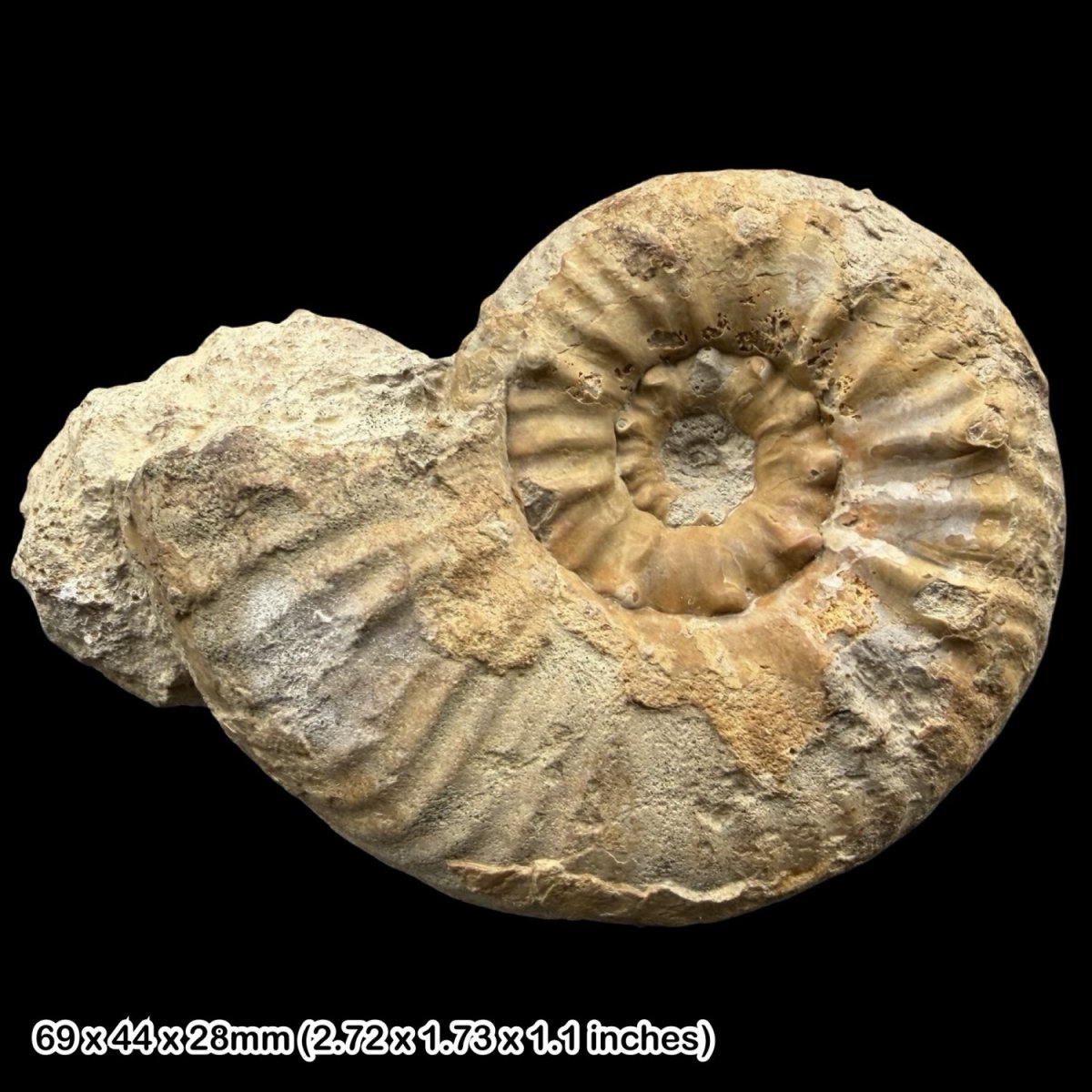
Sonninia cf propinquans Ammonite Fossil Dorset Jurassic Romani Subzone COA Oborne Wood Inferior Oolite Bajocian UK Specimen
$ 31.72
WhatsApp
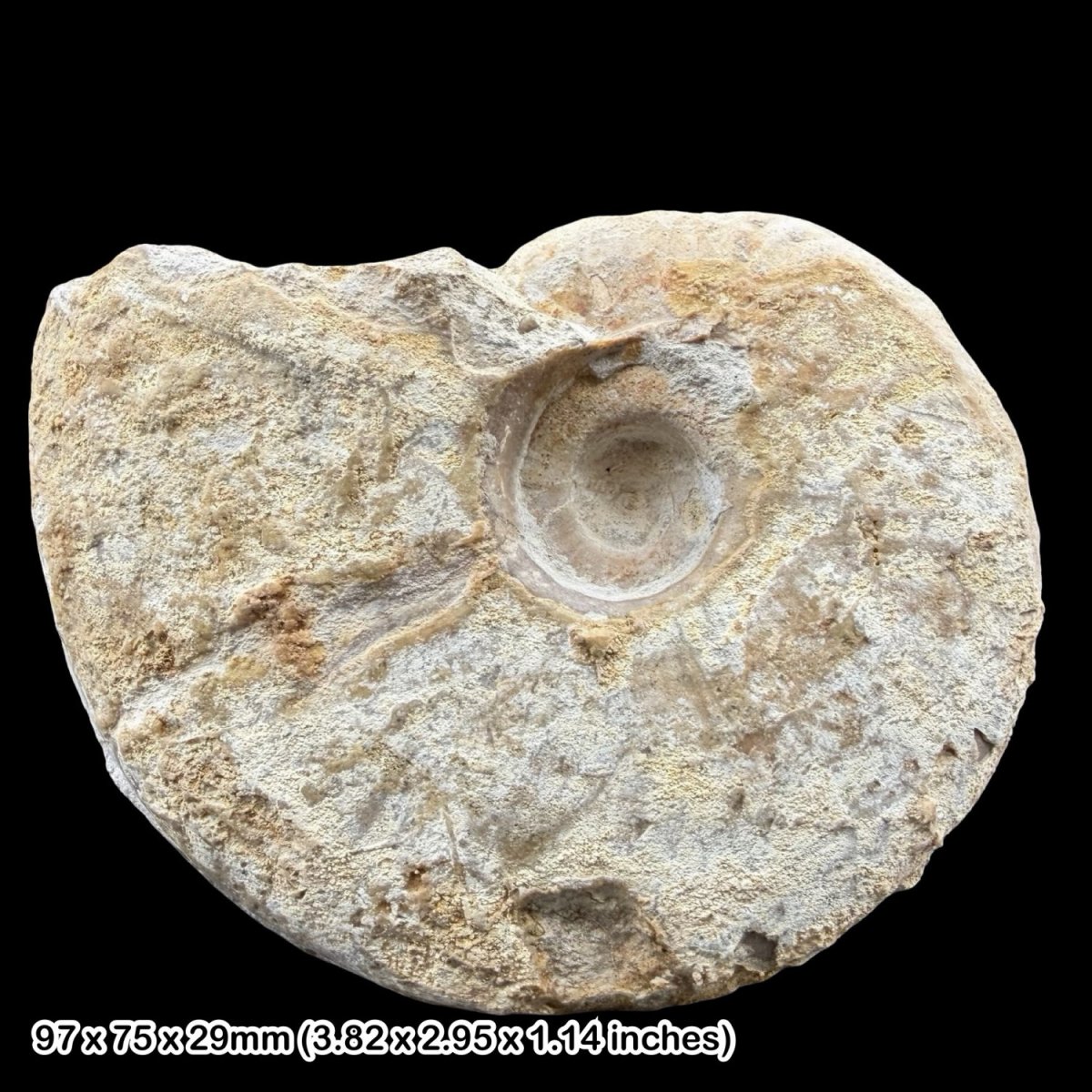
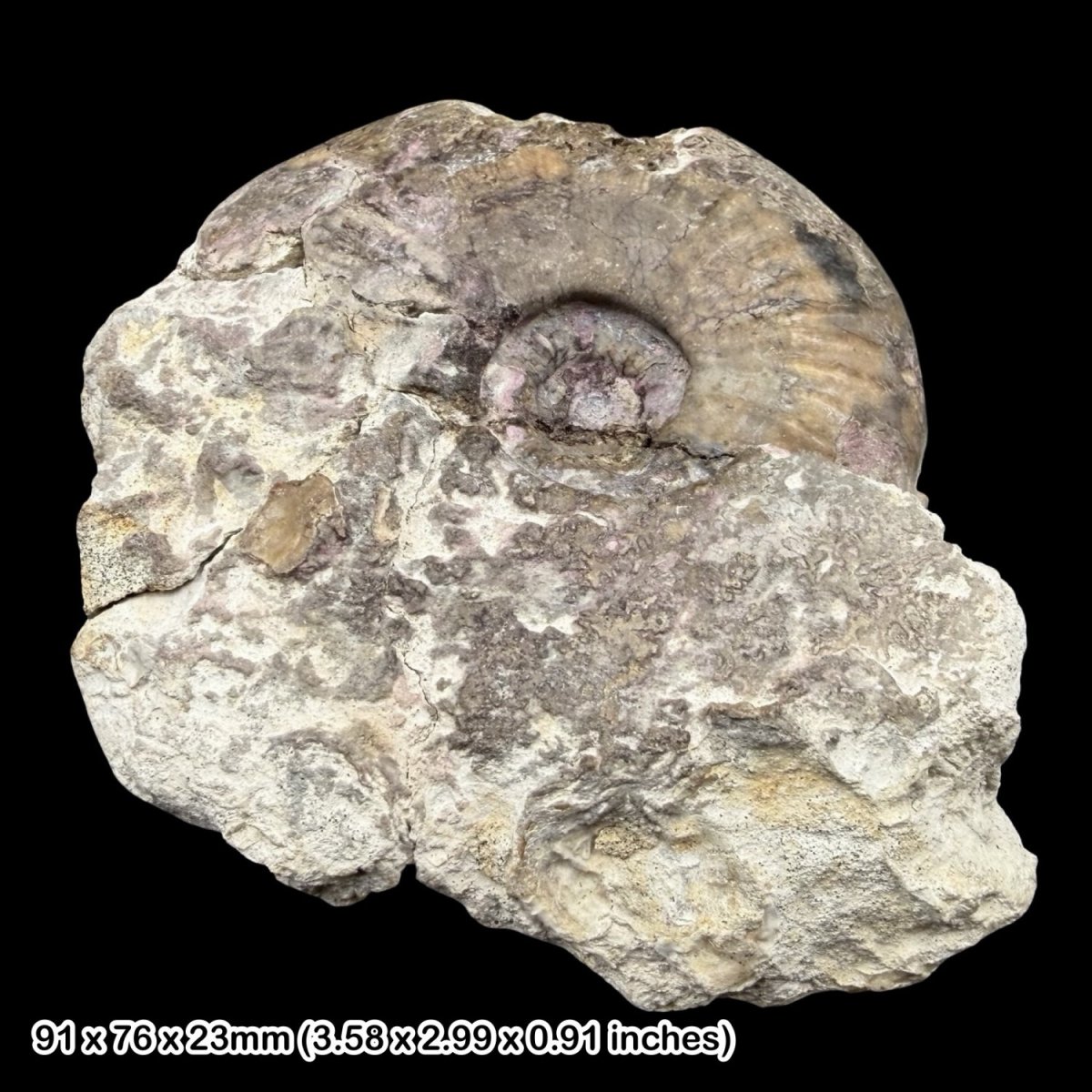
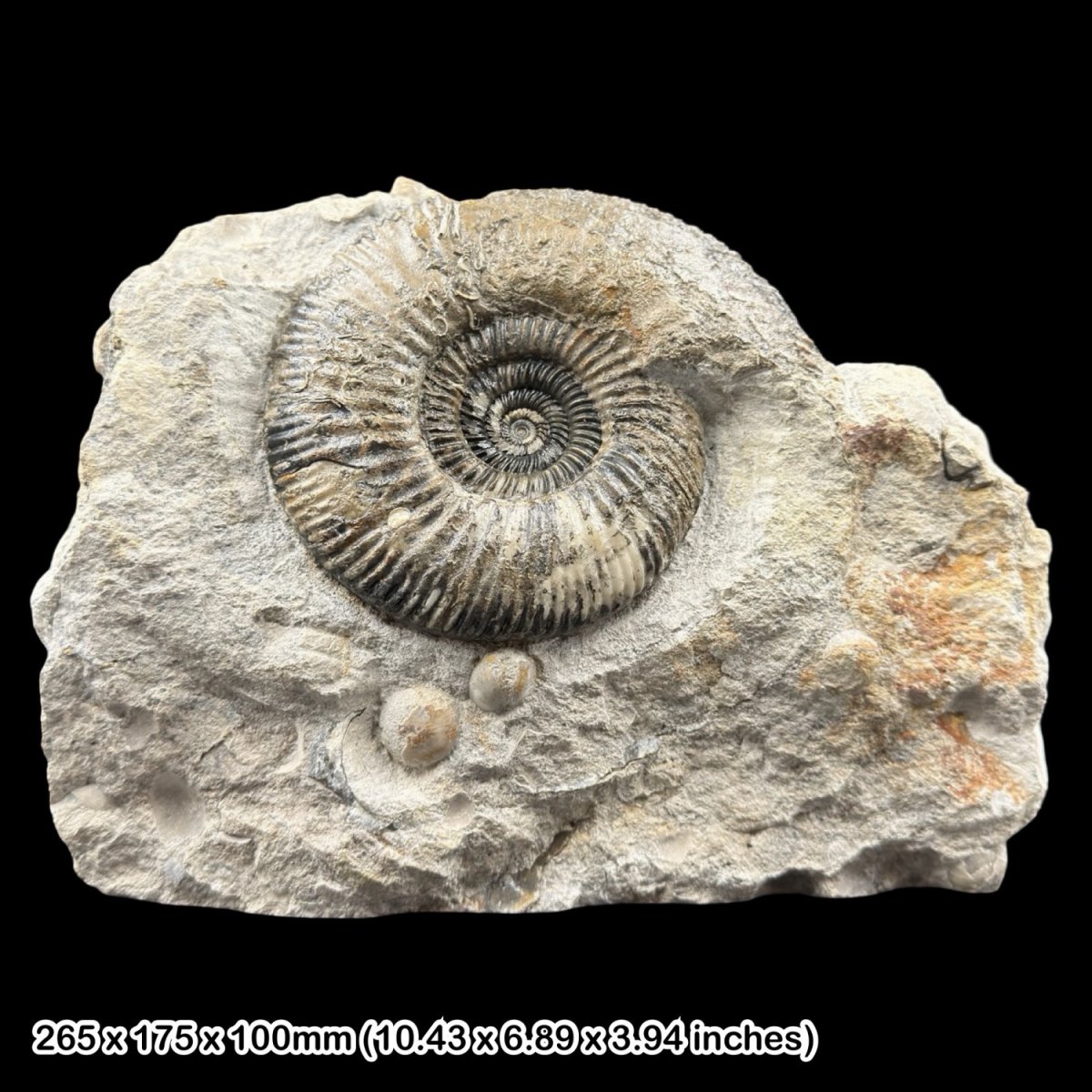
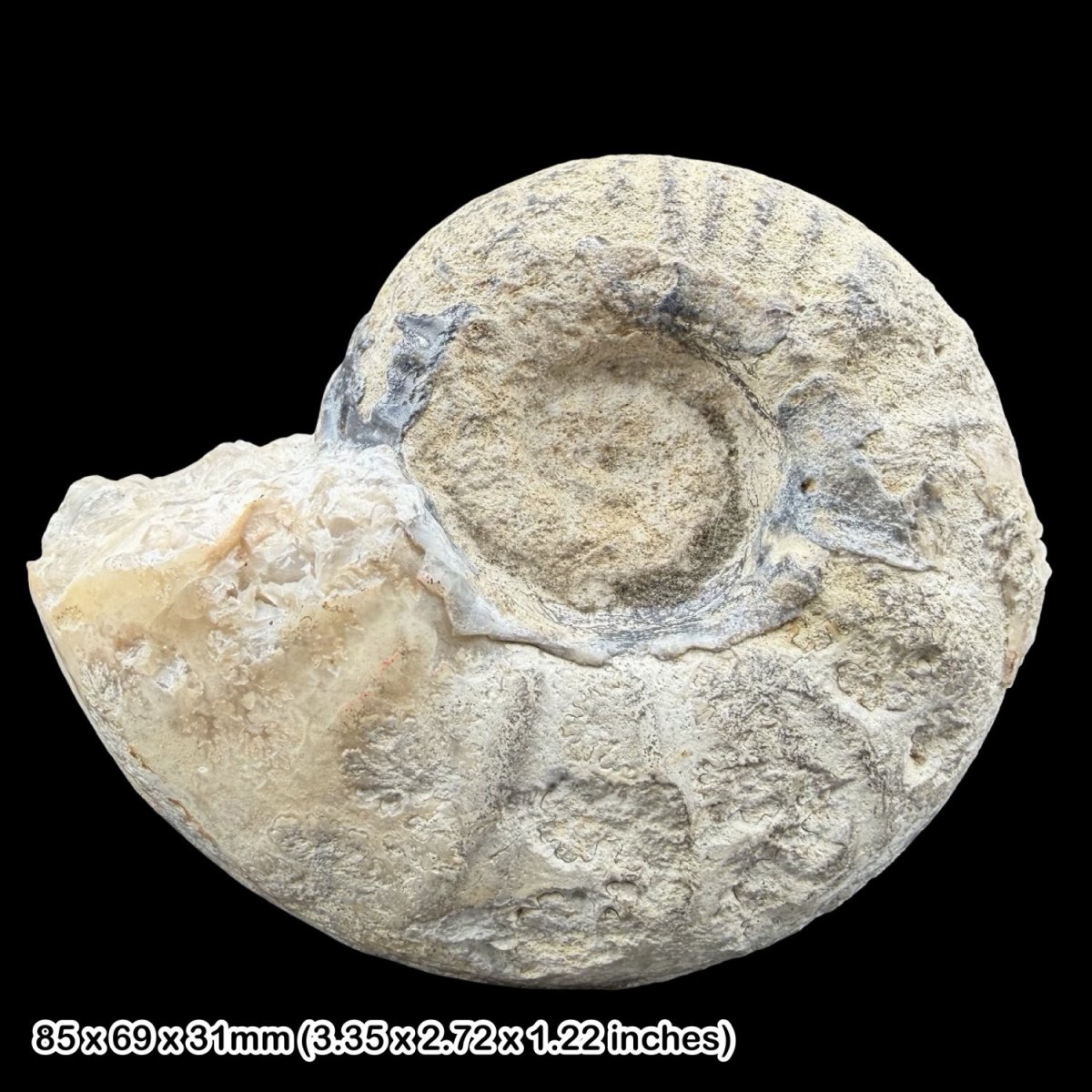
Description Genuine Sonninia cf. propinquans Ammonite Fossil This listing is for a genuine Sonninia cf. propinquans ammonite fossil from the Inferior Oolite Group at Oborne Wood, Dorset, UK. Dating from the Bajocian Stage of the Middle Jurassic, specifically the base of the Romani Subzone, this specimen represents a scientifically interesting British Jurassic ammonite from one of southern England’s classic fossil-bearing regions. The “cf.” in the identification means the fossil compares closely with Sonninia propinquans, while allowing for natural variation, preservation, or incomplete diagnostic features. This makes it especially appealing to collectors who appreciate accurately labelled palaeontological specimens. The fossil is a carefully chosen piece, and the photograph shows the actual specimen you will receive. Full sizing can be seen in the photo. Geology, Age and Locality This ammonite comes from the Inferior Oolite Group, a major Middle Jurassic rock unit exposed across parts of Dorset, Somerset, Gloucestershire, Oxfordshire, and surrounding areas. The Inferior Oolite consists of limestones, sandy limestones, marls, shell beds, and oolitic sediments deposited in warm, shallow marine environments. The fossil is Bajocian in age, approximately 170 to 168 million years old. The Bajocian was an important interval in ammonite evolution, with many distinctive ammonite groups appearing, diversifying, and spreading through the shallow seas of Europe. Ammonites from this stage are particularly valuable in geology because their rapid evolution allows rock layers to be divided into precise biostratigraphic zones and subzones. Oborne Wood, Dorset and the Romani Subzone Oborne Wood, near Sherborne in Dorset, is associated with fossil-bearing Middle Jurassic deposits of the Inferior Oolite Group. Fossils from this locality are highly regarded by collectors of British ammonites because they preserve part of the rich marine fauna that lived in the warm Jurassic seas of southern England. This specimen is recorded from the base of the Romani Subzone, giving it extra stratigraphic interest. Subzones are refined divisions within ammonite biostratigraphy, used to identify narrow intervals of geological time. A fossil with this level of locality and horizon detail is especially desirable for collectors who value precise geological provenance. The Romani Subzone forms part of the carefully studied Bajocian ammonite succession, where genera such as Sonninia and related forms help define and correlate Middle Jurassic strata. This makes the specimen not only an attractive fossil but also a useful example of how ammonites are used as geological time markers. Fossil Type and Species Details Sonninia was an ammonite, an extinct marine mollusc belonging to the cephalopod group. Ammonites are related to modern squid, cuttlefish, octopus, and nautilus, although ammonites themselves disappeared at the end of the Cretaceous Period. Like other ammonites, Sonninia had a coiled external shell divided internally into chambers. The living animal occupied the final body chamber, while the earlier chambers helped regulate buoyancy in the water. Sonninia ammonites are typically recognised by their planispiral coiled shells, ribbed ornament, and distinctive whorl shape. Depending on growth stage and preservation, they may show strong to moderately developed ribs, a compressed to slightly inflated profile, and a clearly defined outer whorl. These features make them attractive display fossils and important scientific specimens within Middle Jurassic ammonite faunas. Scientific classification places Sonninia within Phylum Mollusca, Class Cephalopoda, Subclass Ammonoidea, Order Ammonitida, Superfamily Hammatoceratoidea, and Family Sonniniidae. The genus Sonninia was named by Bayle in 1879 and is one of the characteristic ammonite groups of the Bajocian. Ancient Middle Jurassic Marine Environment During the Bajocian, the area now known as Dorset lay beneath warm, shallow seas on the margin of an ancient European marine shelf. The Inferior Oolite Group records these environments through carbonate-rich sediments, oolitic limestones, shelly layers, and marine muds. These ancient seas supported a diverse ecosystem of ammonites, belemnites, bivalves, brachiopods, gastropods, echinoids, crustaceans, fish, and marine reptiles. Sonninia cf. propinquans would have lived within this marine setting as part of the active cephalopod fauna. Its chambered shell allowed buoyancy control, helping the animal move through the water column while feeding and avoiding predators. Fossils such as this preserve a direct connection to the marine ecosystems of the Middle Jurassic, long before the modern Dorset landscape existed. Collectible British Jurassic Ammonite This Sonninia cf. propinquans ammonite fossil is a desirable specimen for collectors interested in British fossils, Dorset geology, Middle Jurassic ammonites, Inferior Oolite fossils, and precisely labelled palaeontological material. Its Oborne Wood locality, Bajocian age, base of Romani Subzone attribution, and close comparison to Sonninia propinquans give it strong collector and educational appeal. This fossil is a genuine specimen and includes a Certificate of Authenticity lifetime guarantee generic card. The photograph shows the actual fossil you will receive, making this a carefully selected and accurately represented specimen from the Middle Jurassic marine deposits of Oborne Wood, Dorset, UK.