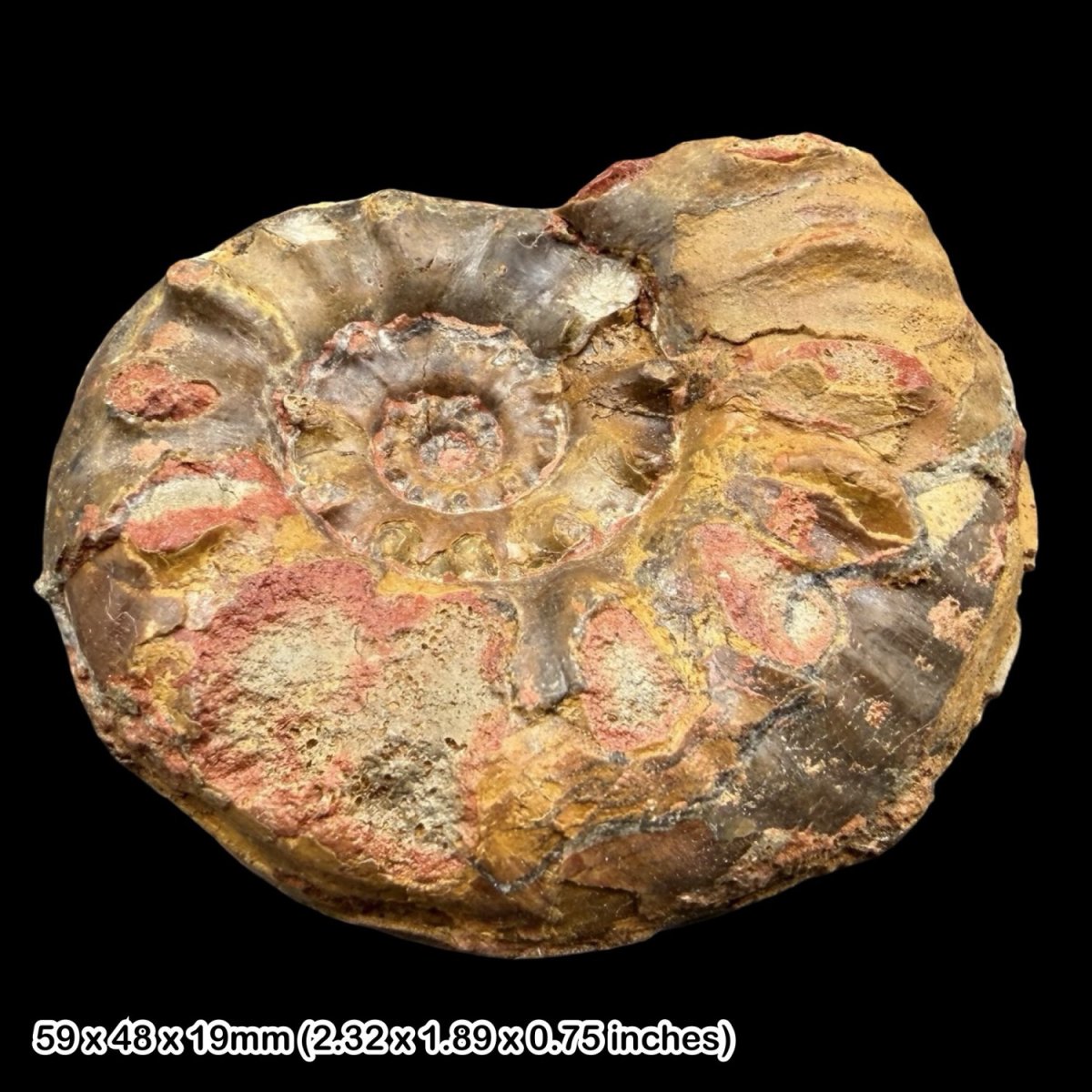
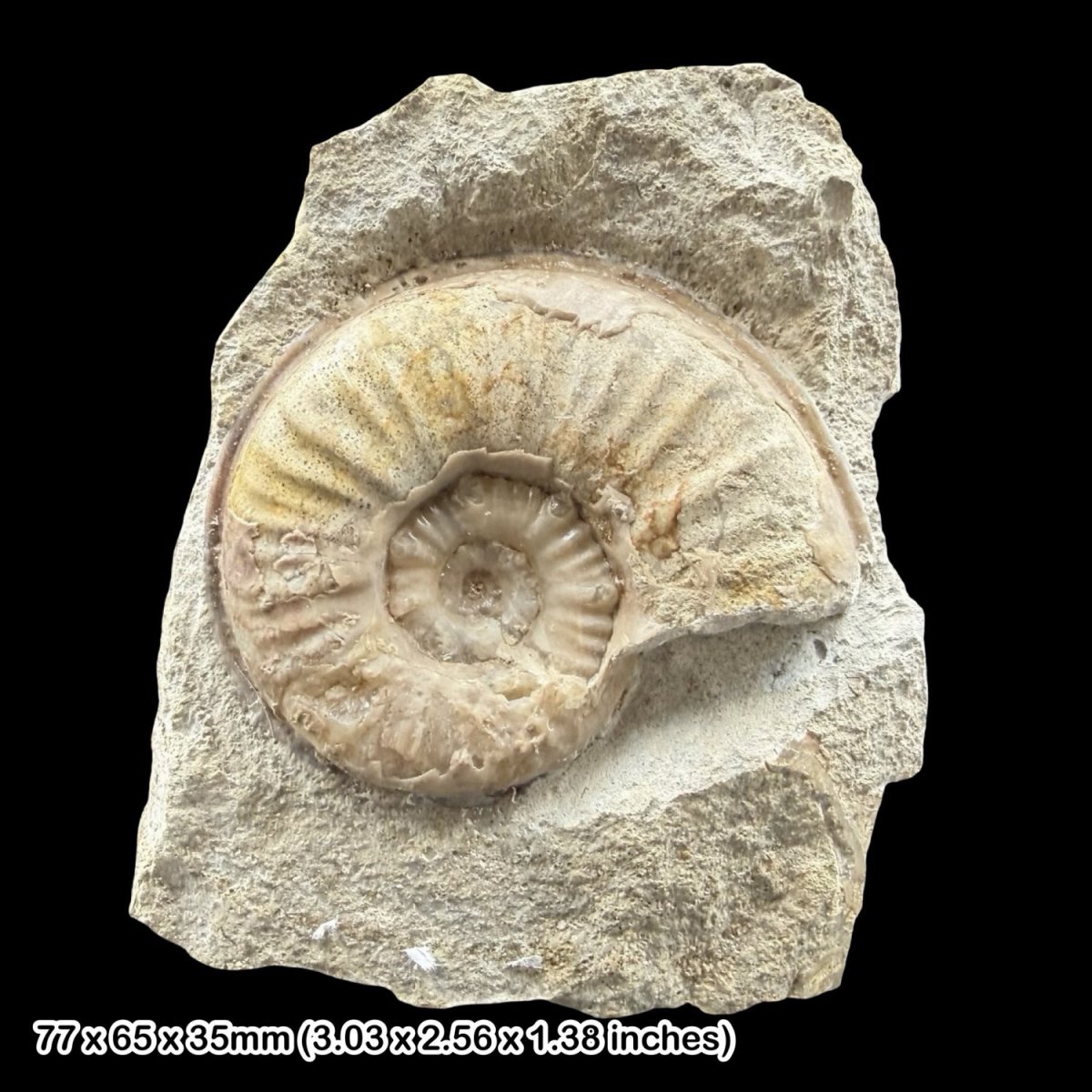
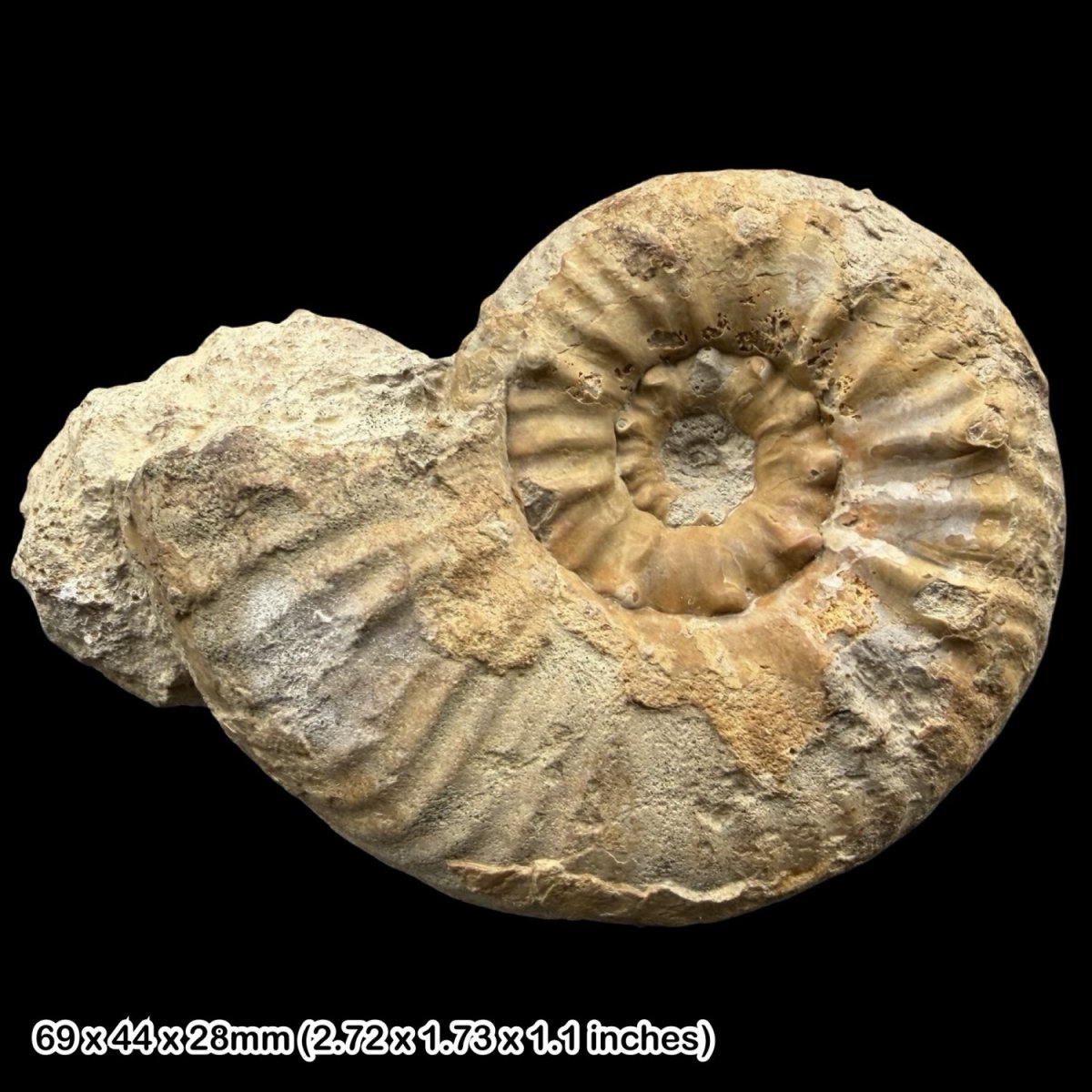
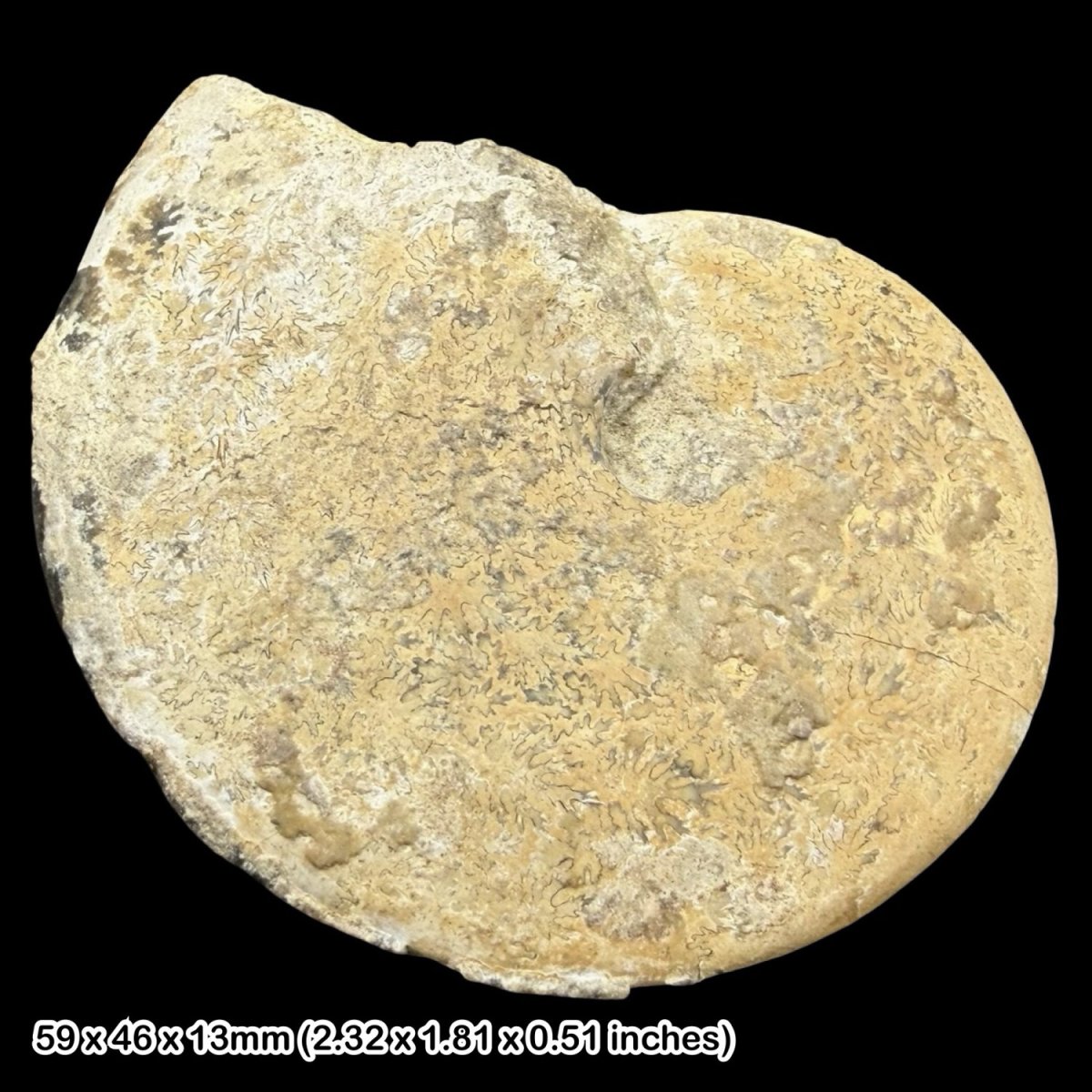
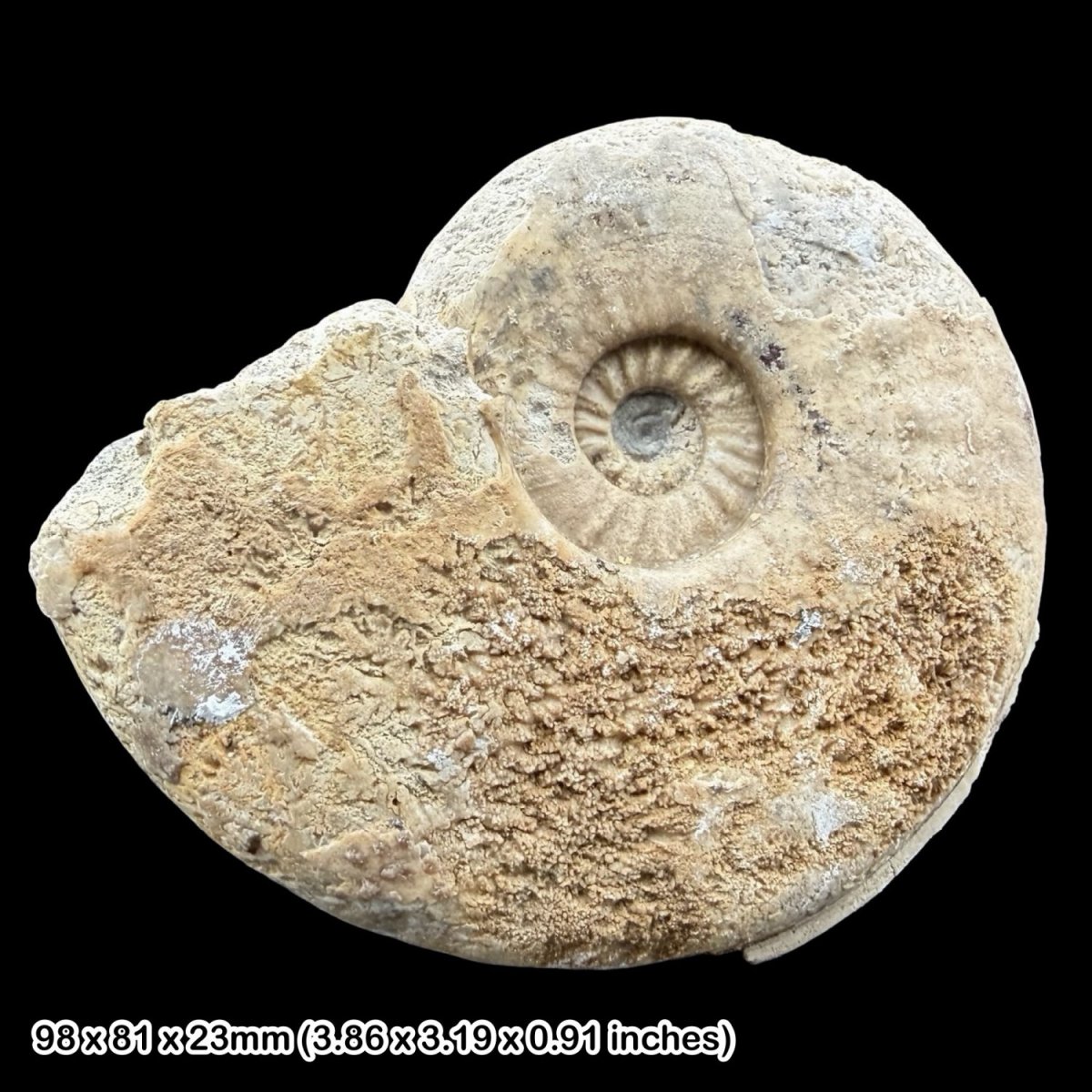
Sonninia subdecorata Ammonite Fossil Jurassic Dorset UK Genuine COA Bajocian Gem, Inferior Oolite Laeviuscula Zone Oborne
$ 79.30
WhatsApp
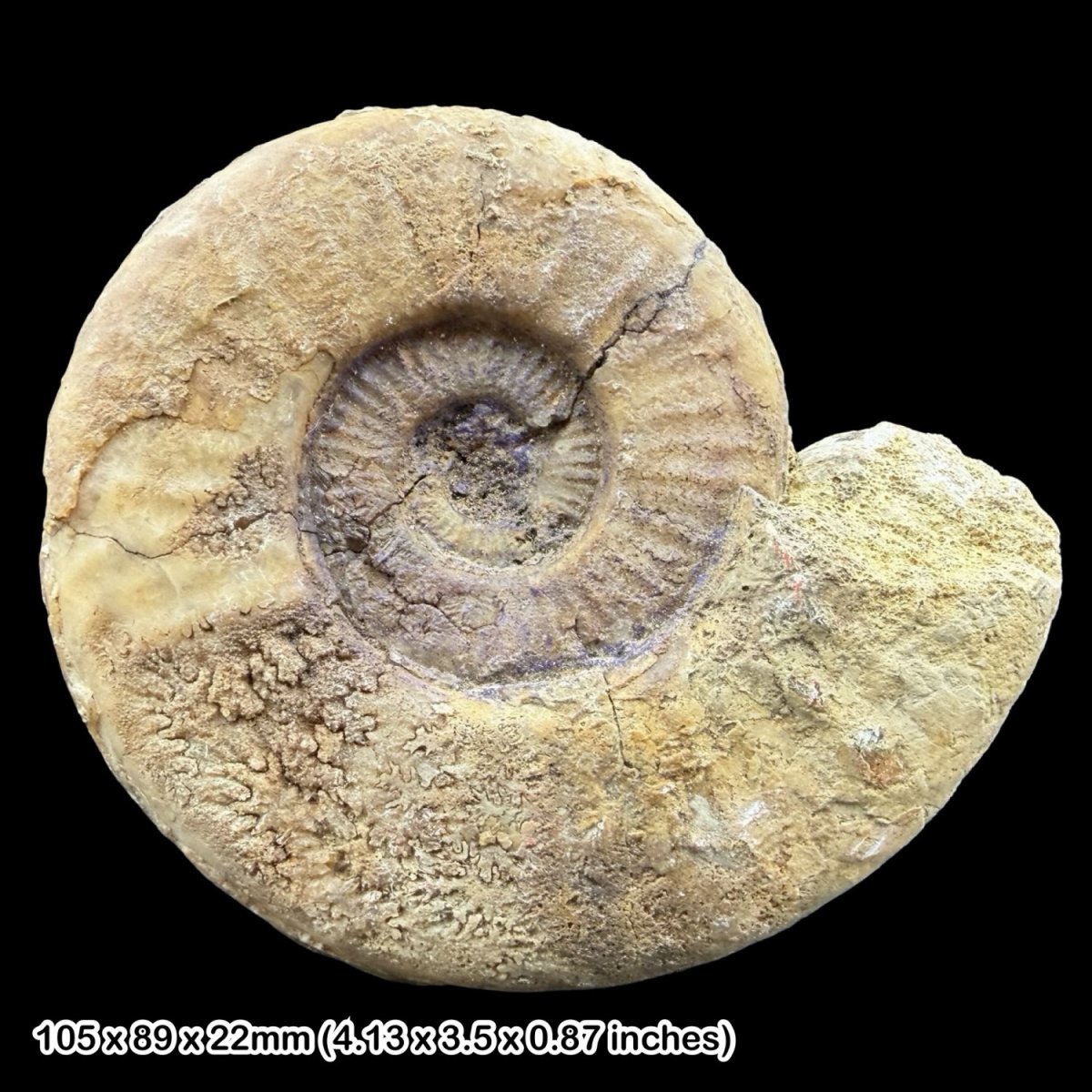
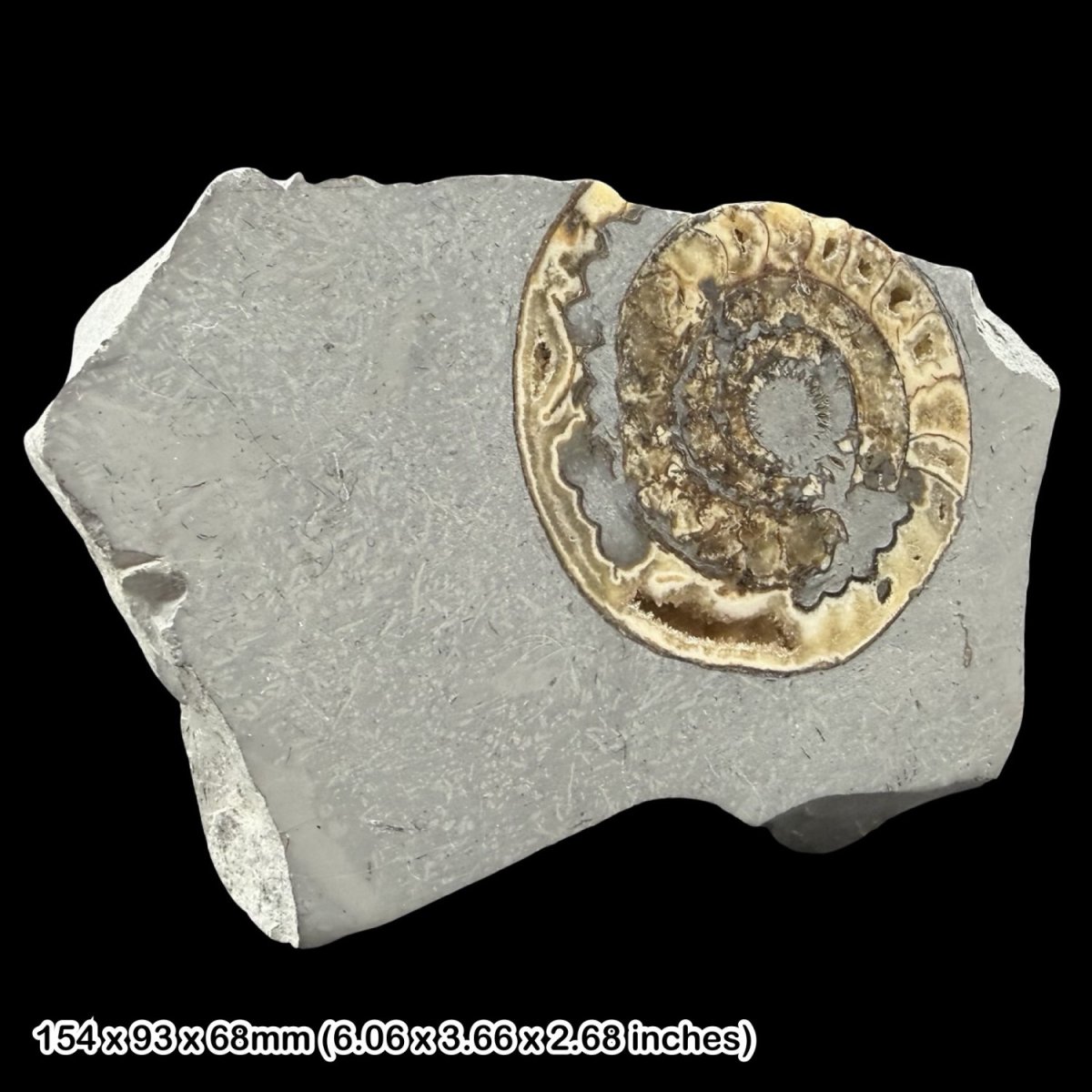
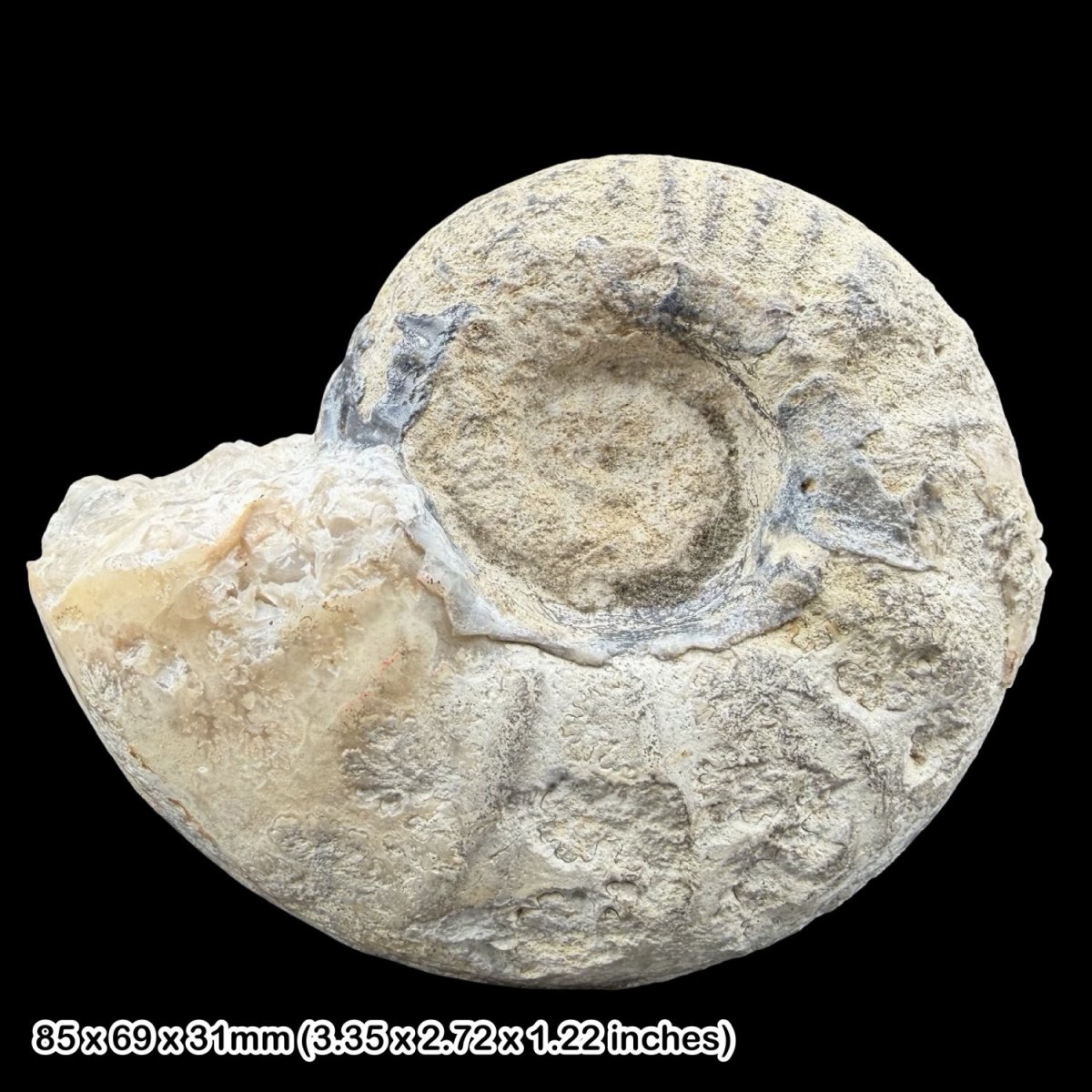
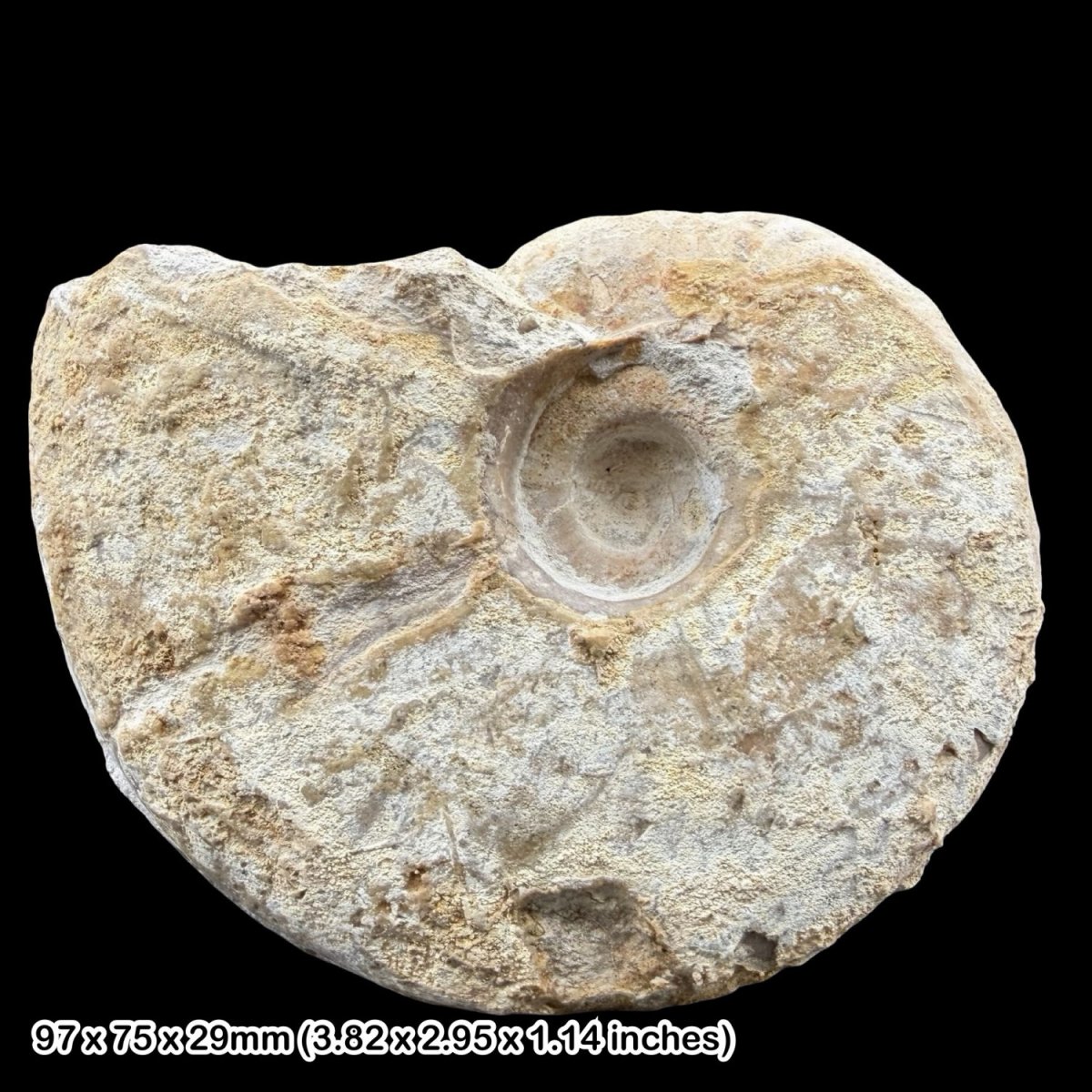
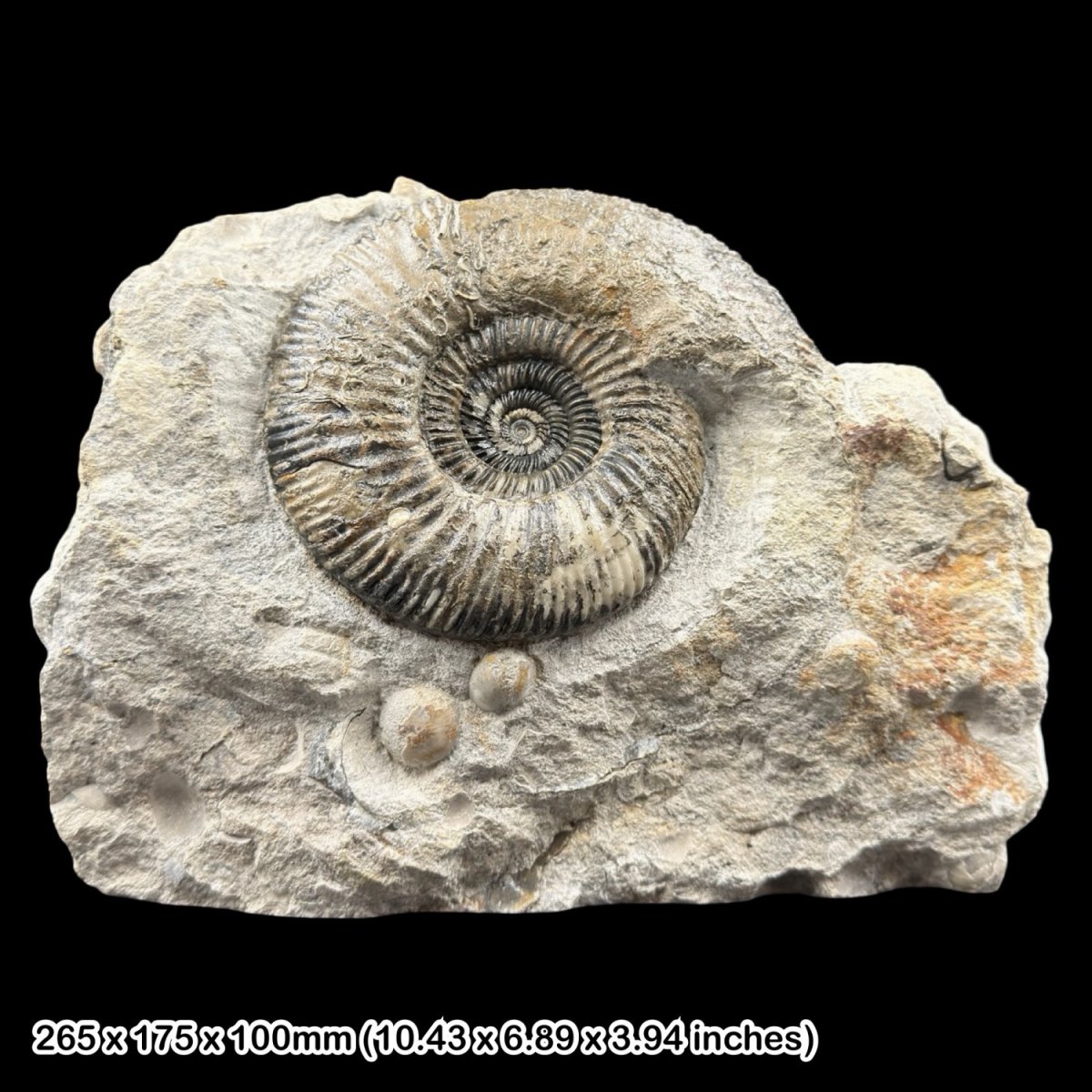
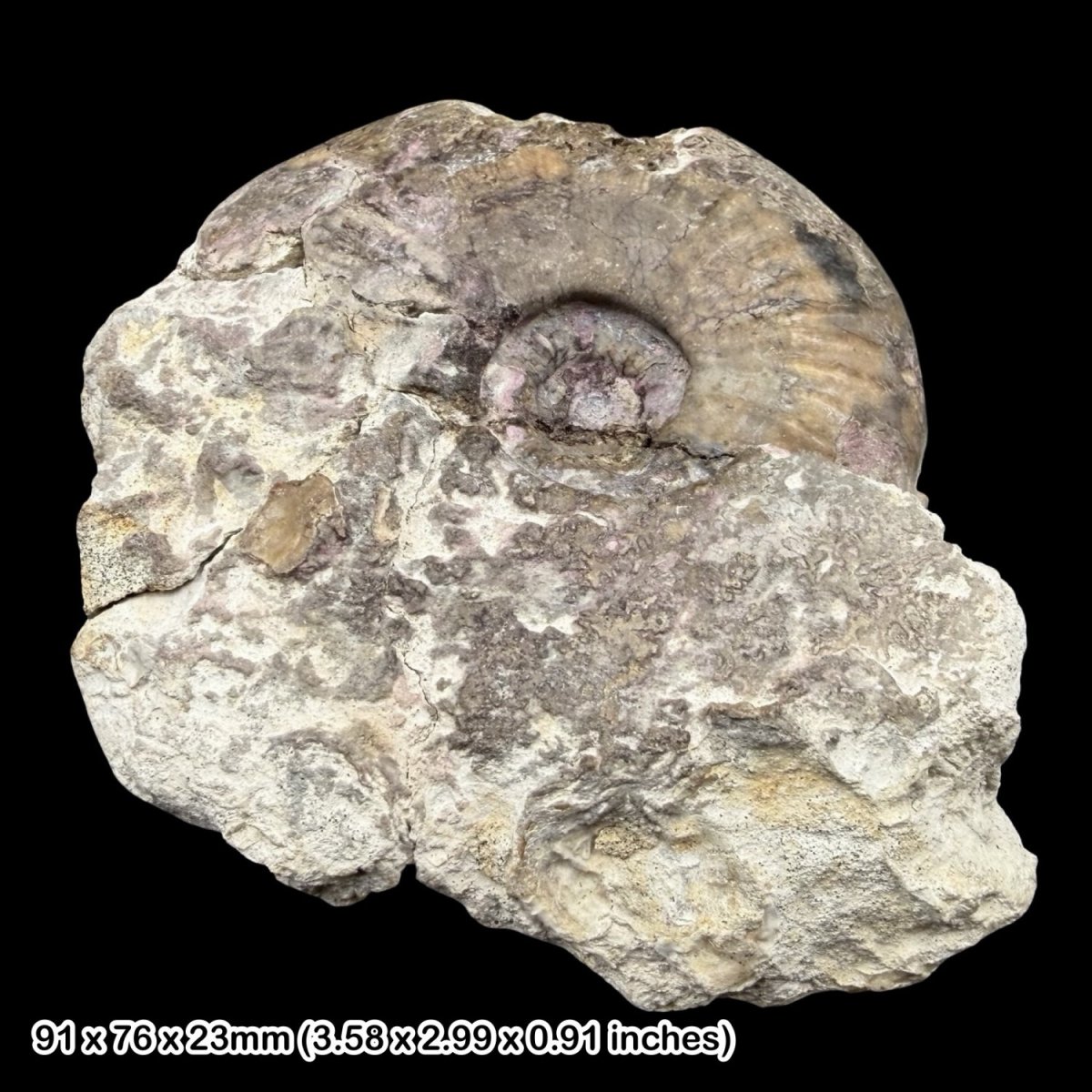
Description Genuine Sonninia subdecorata Ammonite Fossil – Bajocian, Dorset This genuine fossil ammonite is identified as Sonninia subdecorata, a collectable Middle Jurassic ammonite from the Inferior Oolite Group at Oborne, Dorset, UK. Dating to the Bajocian Stage of the Middle Jurassic, specifically the Laeviuscula Zone, this specimen is approximately 170 million years old and represents a classic British Jurassic marine fossil from one of southern England’s well-known fossil-bearing limestone successions. This fossil is a carefully chosen piece, with the photograph showing the actual specimen you will receive. Full sizing can be seen in the photo. It is supplied as a genuine specimen and includes a Certificate of Authenticity lifetime guarantee generic card, making it suitable for collectors, educational displays, natural history collections, and anyone interested in British ammonites. Fossil Type and Species Ammonites were extinct marine cephalopods related to modern squid, cuttlefish, octopus, and nautilus. They lived inside coiled, chambered shells and were highly successful throughout the Jurassic seas. Their shells were divided into chambers, with the animal living in the final body chamber while the earlier chambers helped regulate buoyancy. Sonninia subdecorata belongs to the ammonite genus Sonninia, a well-known Bajocian group associated with early Middle Jurassic marine deposits. Sonninia ammonites are especially valued for their strong scientific interest and distinctive shell form. They are commonly linked with the family Sonniniidae, within the superfamily Hammatoceratoidea and order Ammonitida. Sonninia ammonites often show moderately evolute coiling, meaning the inner whorls can remain visible rather than being completely covered by later growth. Many examples display a strong ribbed shell pattern, with ribs that may sweep across the flanks and change in strength as the ammonite grew. Depending on preservation and growth stage, the shell may appear compressed to moderately inflated, with ornamentation that gives the fossil a striking Jurassic character. Laeviuscula Zone and Geological Importance This specimen is from the Laeviuscula Zone, an important ammonite biozone within the Lower Bajocian part of the Middle Jurassic. Ammonite zones are used by geologists to divide and correlate rock layers because ammonites evolved rapidly and spread widely through ancient seas. A fossil with a zone-level association is especially useful and desirable because it places the specimen within a more precise geological framework. The Laeviuscula Zone is closely associated with early Bajocian ammonite faunas and is an important part of the Inferior Oolite succession. Sonninia species are particularly characteristic of Bajocian ammonite assemblages, making this specimen a strong representative of its geological age and environment. Inferior Oolite Group, Dorset The Inferior Oolite Group is a famous Middle Jurassic rock unit found across parts of southern and western England. Despite the name “Inferior”, it simply refers to the unit’s position below the Great Oolite in the geological sequence, not to the quality of the fossils. The Inferior Oolite is highly regarded by fossil collectors and palaeontologists for producing ammonites, brachiopods, bivalves, gastropods, echinoids, corals, and other marine fossils. At the time this ammonite lived, the area now known as Oborne in Dorset was covered by a warm, shallow Jurassic sea. Carbonate-rich sediments, shell debris, lime mud, and oolitic grains accumulated across the sea floor. Over millions of years, these sediments hardened into limestone and related rocks, preserving the remains of marine life from the Bajocian sea. The depositional environment would have been a shallow marine shelf setting, influenced by currents, changing water depths, and active carbonate sedimentation. Ammonites such as Sonninia would have lived in this marine ecosystem alongside many other Jurassic organisms, forming part of a diverse and dynamic ancient sea. Collectable British Jurassic Ammonite A named Sonninia subdecorata ammonite from the Inferior Oolite Group is a desirable fossil for collectors because it combines an identifiable ammonite species, a classic British Jurassic locality, and a precise Bajocian biozone. Fossils from Dorset are especially popular due to the county’s long association with Jurassic geology and fossil collecting. This specimen is ideal for display, study, or addition to a fossil collection. Its connection to the Laeviuscula Zone gives it added scientific interest, while its British origin makes it a strong choice for collectors of UK fossils, Jurassic ammonites, and natural history specimens. Authenticity and Presentation This fossil is a genuine specimen and includes a Certificate of Authenticity lifetime guarantee generic card. The photograph shows the actual fossil you will receive, and full sizing can be seen in the photo. As a carefully selected Sonninia subdecorata ammonite fossil from Oborne, Dorset, it offers an attractive and scientifically interesting example of Middle Jurassic marine life from the Inferior Oolite Group.
Relaterte produkter
AirFuze Smart 30000
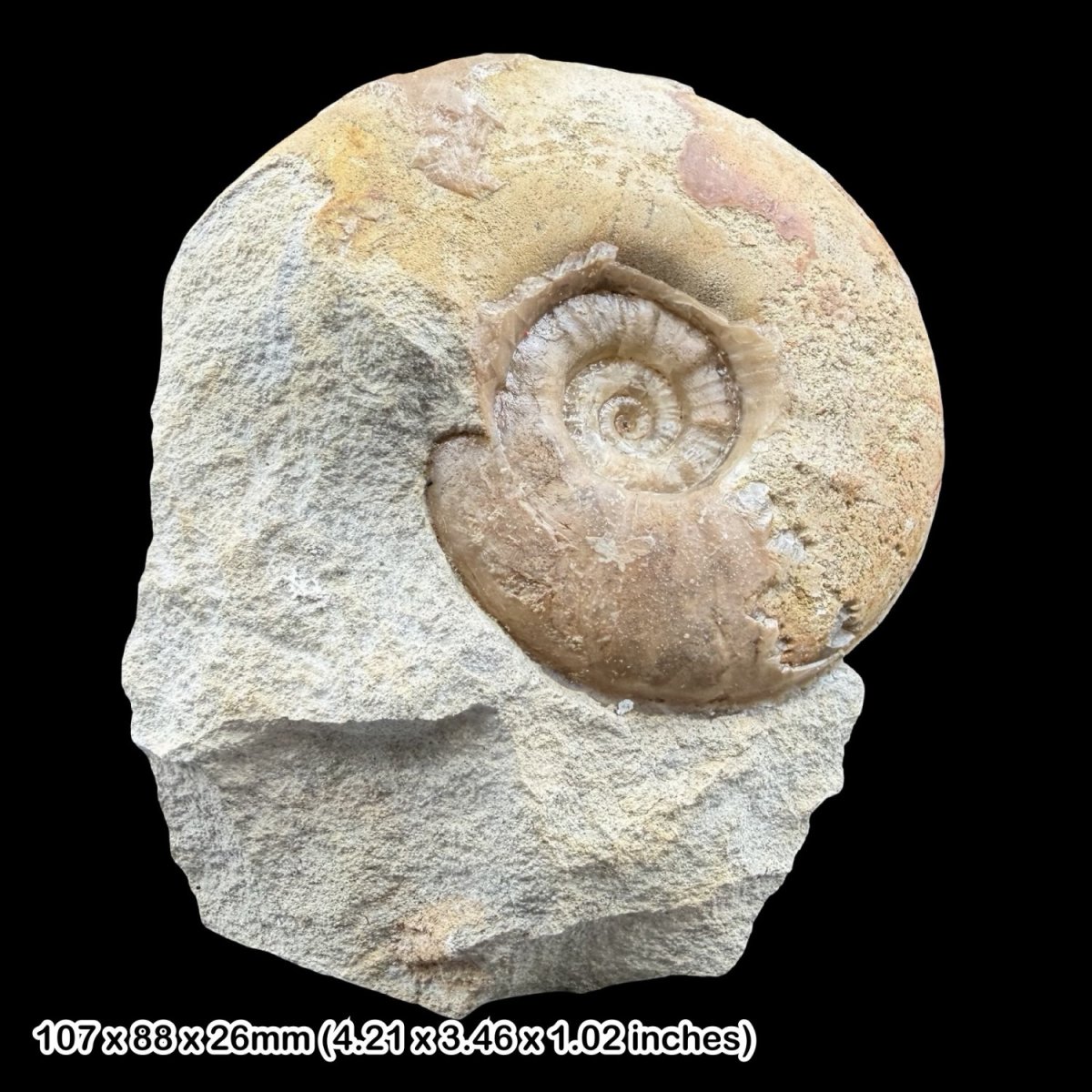
Sonninia pseudotuberculata Ammonite Fossil Jurassic Bajocian Dorset COA
$ 79.30
AirFuze Smart 30000
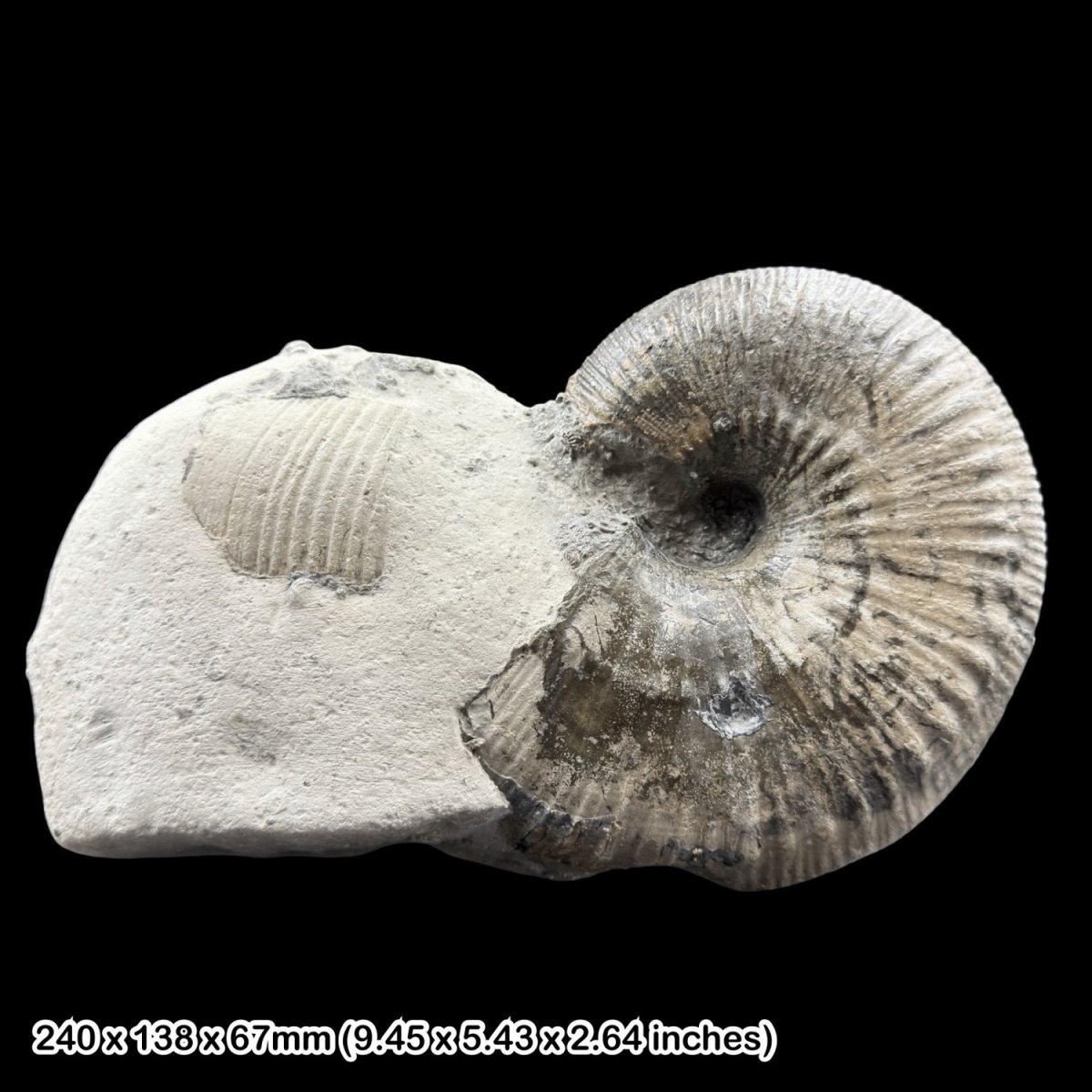
Sonninia aff fisticarinata Ammonite Fossil Jurassic Bajocian Dorset COA
$ 55.51